
Lemonopita, Greek lemon cake made with phyllo
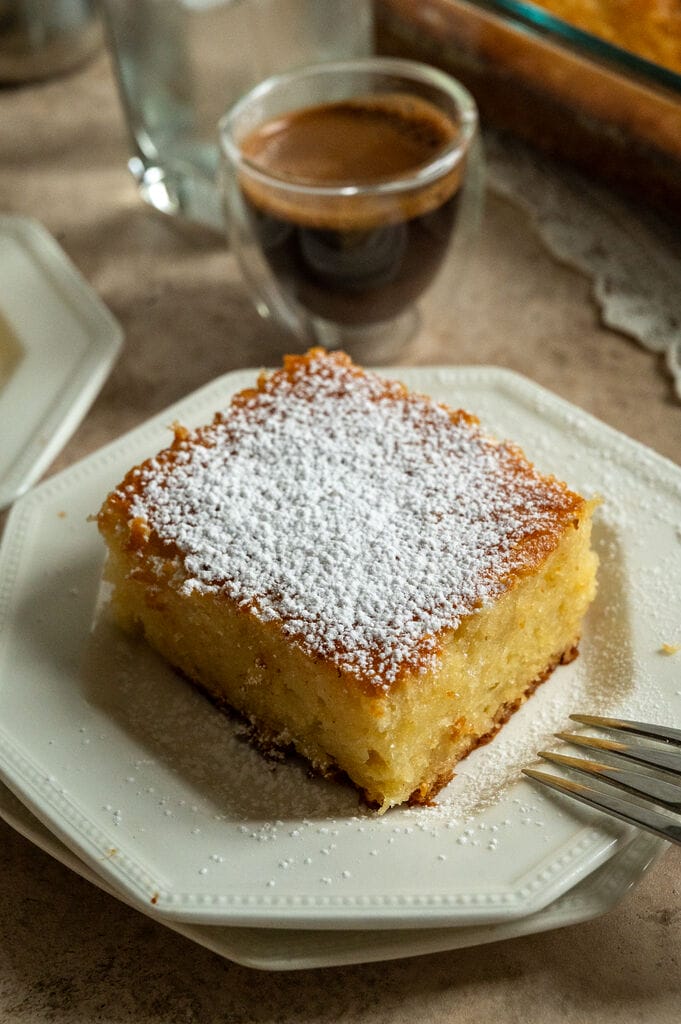
Lemonopita is a traditional Greek syrup cake made with phyllo and infused with lemon flavour. Dried phyllo dough is used instead of flour to make this perfectly flavoured and textured Greek siropiasto or syrup-soaked cake.
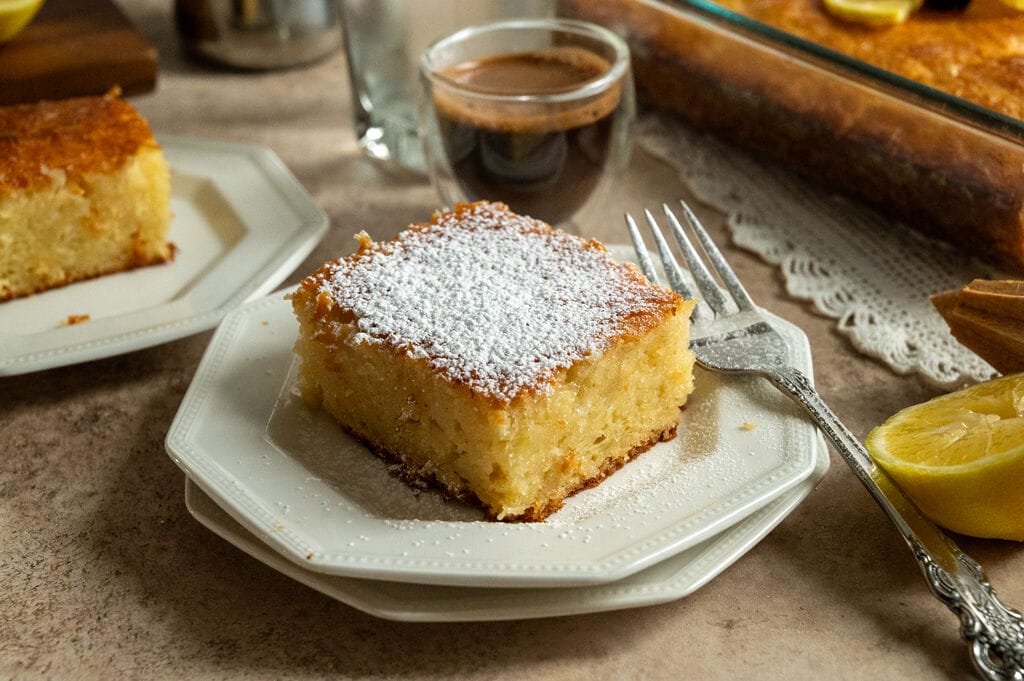
One of my favourite things about Greek food is the desserts! Especially the desserts that are syrupy, a class of sweets referred to as siropiasta. Growing up in a Greek home, these were the desserts I happily enjoyed for every occasion, birthdays, Name days, holidays and Wednesdays. Every day is a good day for a treat!
Why I love this recipe
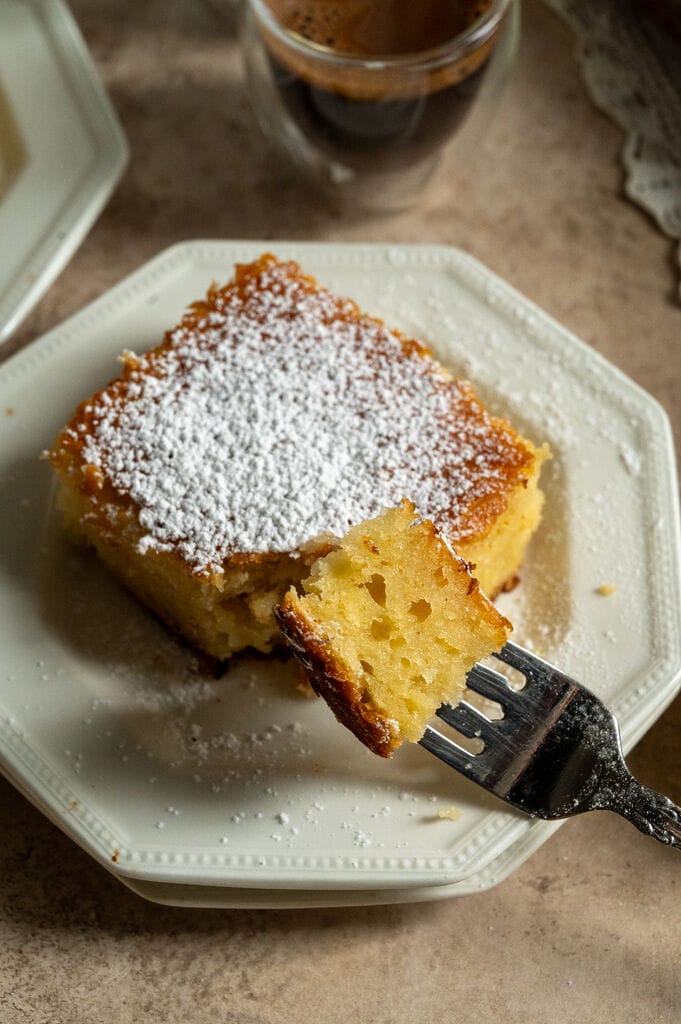
This recipe for lemonopita is honestly amazing! If you love lemon desserts the way I do then you will not be disappointed by the fresh burst of lemon flavour in every bite of this cake. The lemon is perfectly balanced by the sweetness of the cake and syrup, and the texture of my lemonopita is perfect! Moist, dense, but at the same time, light. It is everything a lemon dessert should be!
I also love the way that this recipe is made! There is no flour; instead phyllo dough (you know, the kind you use to make Spanakopitakia and Baklava) is dried and torn into pieces. This is then used in the cake batter! I love that! This is also the way our viral Portokalopita, Greek orange cake is made. The phyllo gives the cake a great texture!
The lemon flavour is intense, in a good way! Plus, this cake is actually better the day after it is made, which makes it a great make ahead dessert.
Key ingredients
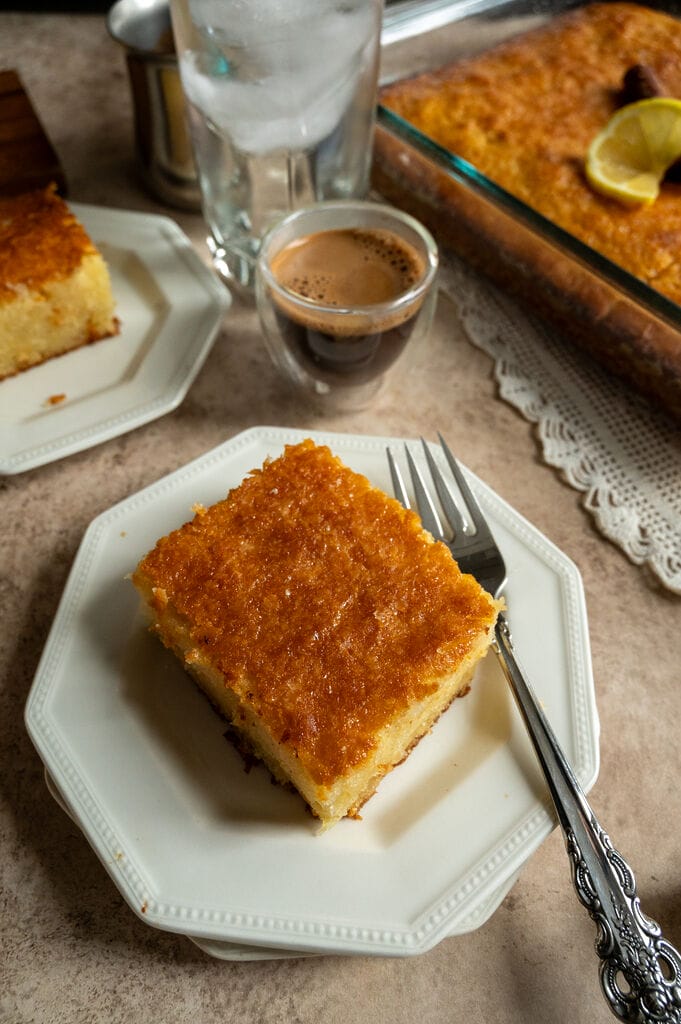
For the syrup
- Water – The basis for the syrup. Regular tap water will do just fine.
- Sugar – I use granulated white sugar; sweet but with a mild flavour
- Lemon juice – Whenever possible I use freshly squeezed lemon juice and not the stuff that comes in a bottle. You will need the zest anyways, so you really do need the fresh lemons!
- Lemon zest – There is so much flavour in the zest of citrus fruit, which comes from the oils.
- Cinnamon stick – Impart the flavour of cinnamon without impacting the colour of your syrup (the way ground cinnamon would).
- Honey – Adding a bit of honey to the syrup really gives it a great depth of flavour and balances the tartness of the lemon beautifully.
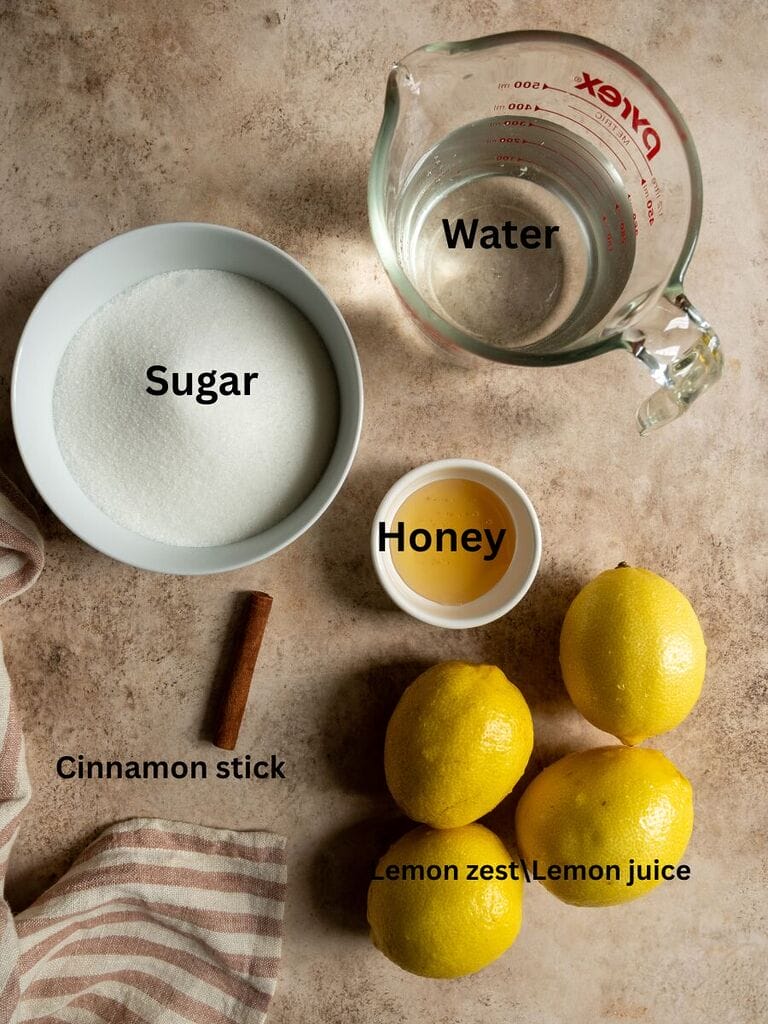
For the cake
- Phyllo – Phyllo dough is very, very thin. Paper thin actually! This is the ingredient which makes portokalopita so unique. I purchase fresh phyllo (filo) dough whenever I can.
- Eggs – Large eggs are the standard when baking unless otherwise indicated in the recipe.
- Sugar – Unless otherwise indicated in the recipe, desserts usually call for white granulated sugar.
- Lemons – Lemons are the other star of this dessert; use the juiciest, best lemons you can find.
- Greek yogourt – Plain flavoured Greek yogourt; thick, creamy and tangy
- Vanilla – I like to use vanilla extract in this recipe. Did you know that you could purchase white vanilla extract?! This is really great when you don`t want to change the colour of your dessert. Not really important here though; regular vanilla extract will do just fine.
- Baking powder – A leavening agent along with the baking soda
- Baking soda – A leavening agent, along with the baking powder
- Salt – Always add salt to your desserts; makes such a difference
- Vegetable oil – mild flavoured, and gives your cake a great texture
- Honey – Good quality honey is a must! I like to use Greek honey from a known source, or locally produced honey. I find that small batch markets are more trustworthy, so I seek them out.
- Lemon juice –Use the fresh stuff, for maximum flavour!
Recipe substitutions
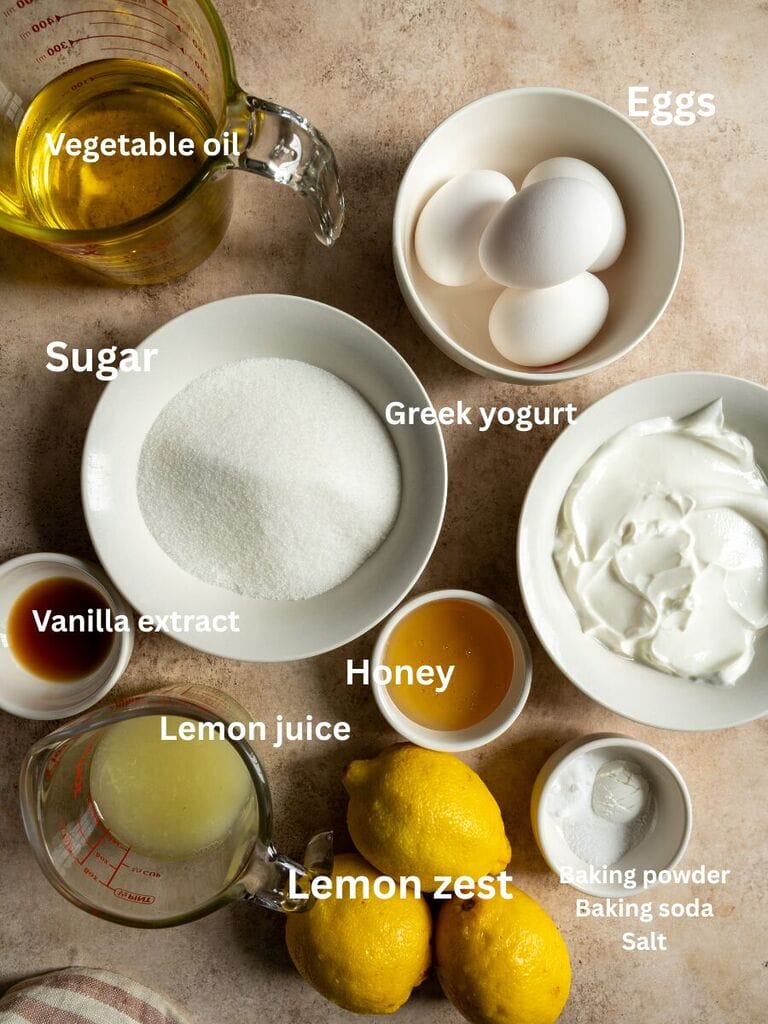
Olive oil instead of vegetable oil
You can definitely use olive oil instead of vegetable oil in this recipe if you are someone who limits or avoids seeds oils. Keep in mind that it will be delicious, but the colour of the cake, as well as the flavour, will be slightly altered.
How to make lemonopita
Prepare the syrup
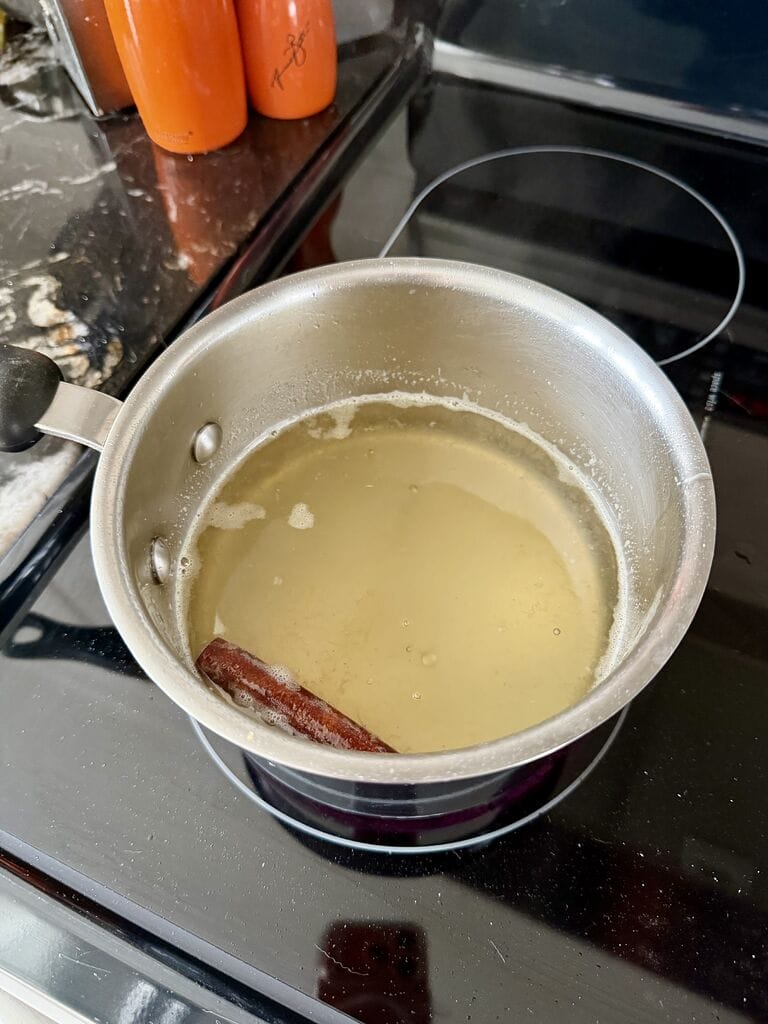
Start by preparing the syrup. Combine the water, sugar, lemon juice, lemon zest, the cinnamon stick and honey. Bring the ingredients to a boil; once it starts boiling, reduce heat, and simmer uncovered for 15 minutes. Remove from heat and let cool completely.
Dry the phyllo
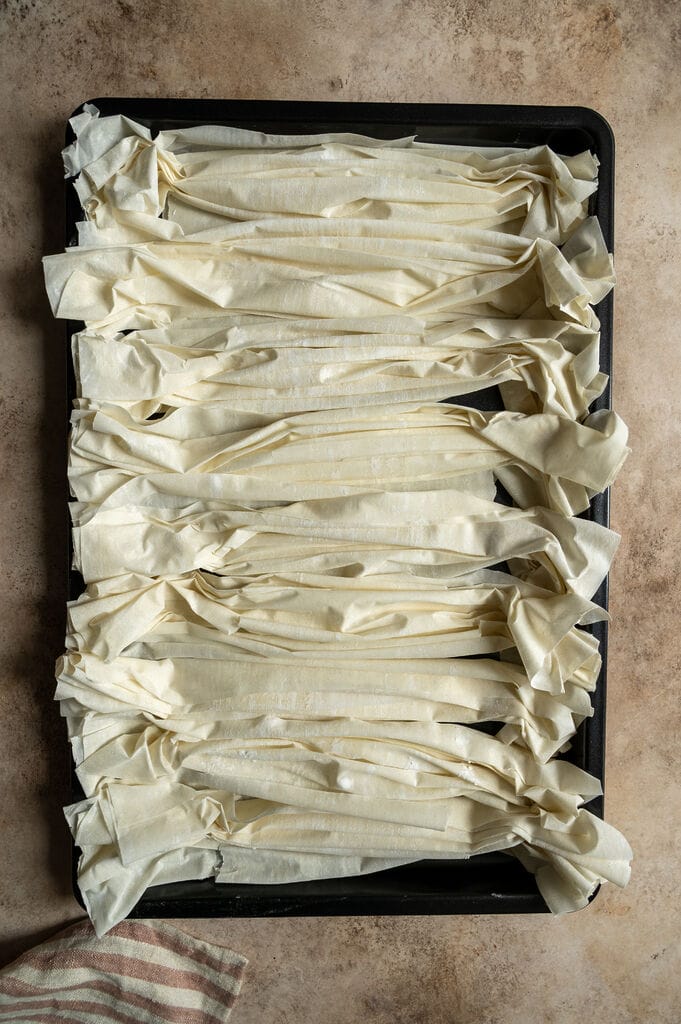
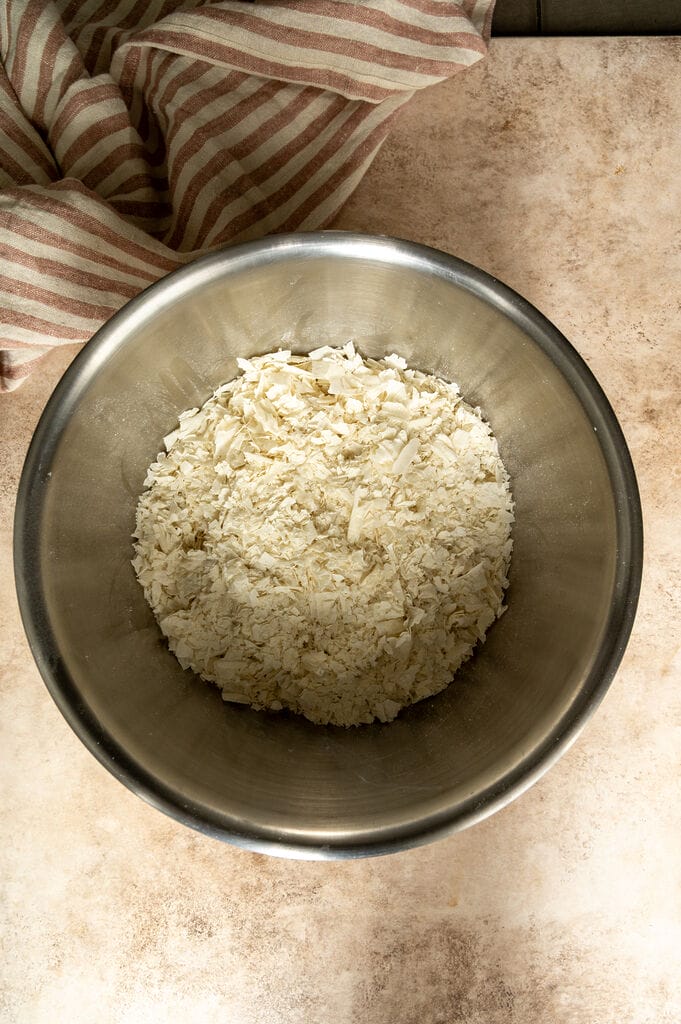
In a 200 degree F oven place your sheets of phyllo that you have scrunched up loosely (you will need two pans) and bake them for about 18 minutes, rotating pans midway through. You want your phyllo to be dry and crumbly, but not to get colour. Allow to cool completely in the turned off oven, with the door left ajar.
Prepare batter for lemonopita
Step 1
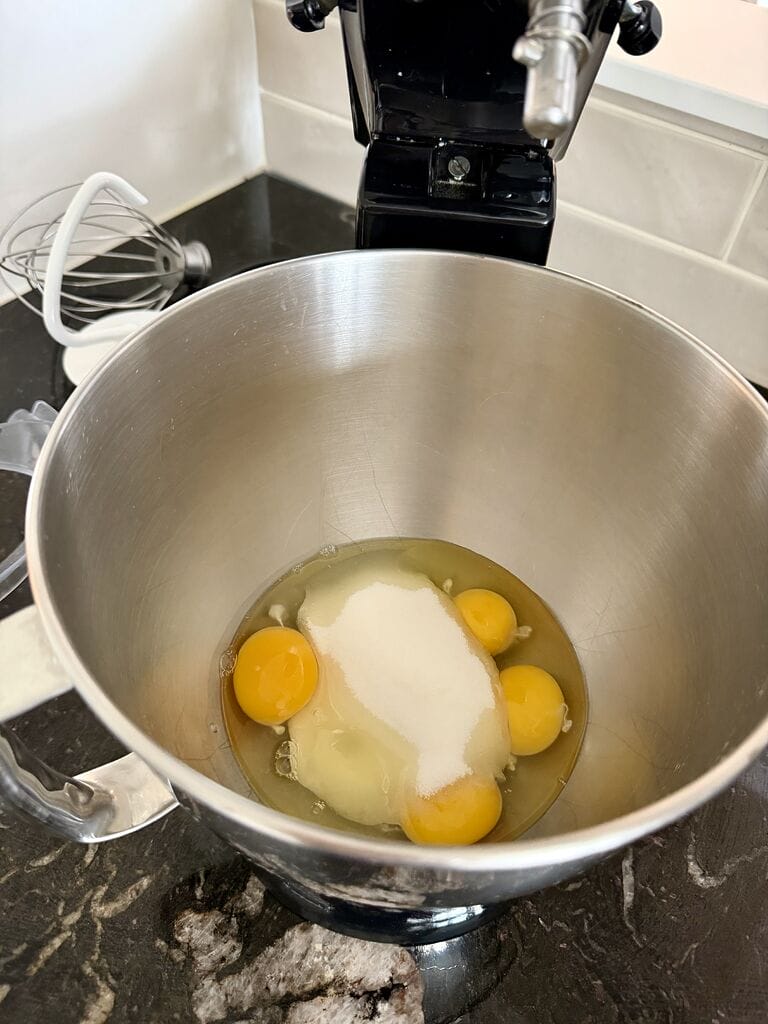
In the large mixing bowl of a stand mixer combine the eggs and the sugar and beat for 3 – 4 minutes, until it is a pale yellow colour. Alternatively you can use a hand mixer. Add lemon zest, Greek yogourt, vanilla extract, baking powder, baking soda and salt. Mix well.
Step 2
Next, to the bowl add in the vegetable oil, honey and lemon juice. Mix well to combine and then slowly add in, a handful at a time, the dried out phyllo that you have torn into pieces. Mix well to combine before adding more phyllo. Continue until all the phyllo has been used.
Step 3
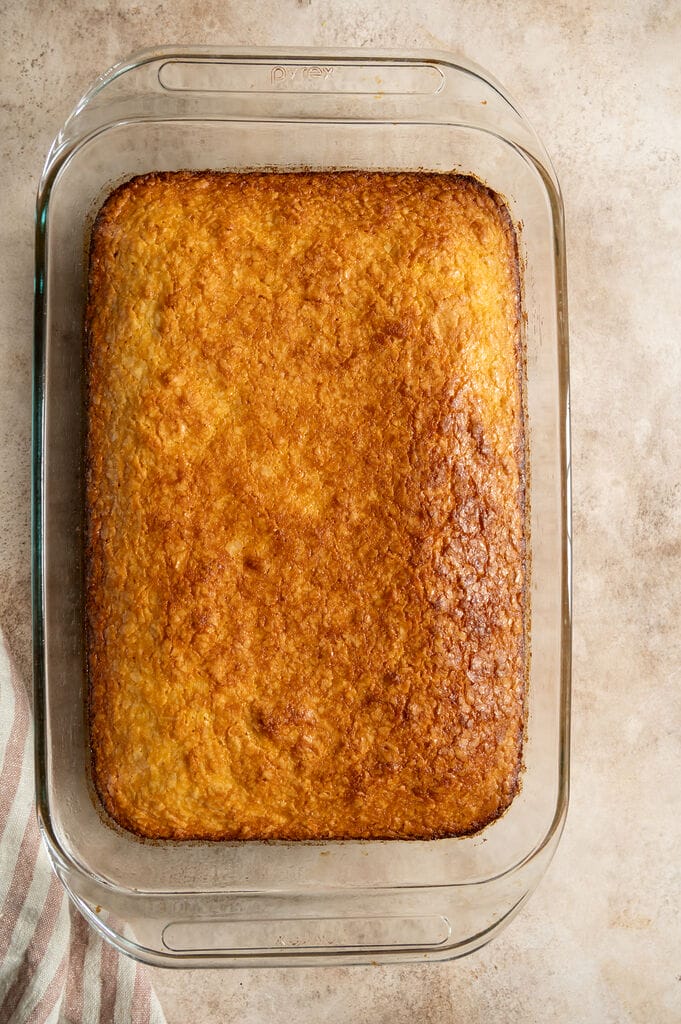
Pour batter into a greased 9 x 13 inch baking pan. Bake on middle rack in a 350 degree F preheated oven for 50-60 minutes until a nice golden colour.
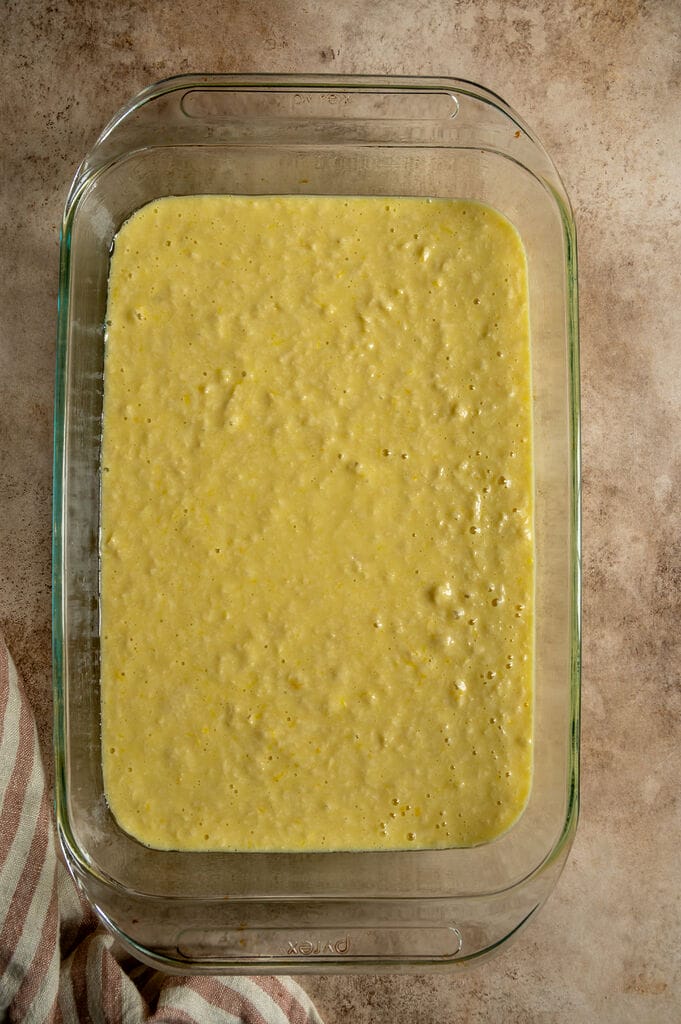
Step 4
When the lemonopita is ready remove it from the oven and poke holes all over it using a long, clean skewer. Immediately pour the cooled syrup over the hot cake, a ladle-full at a time.
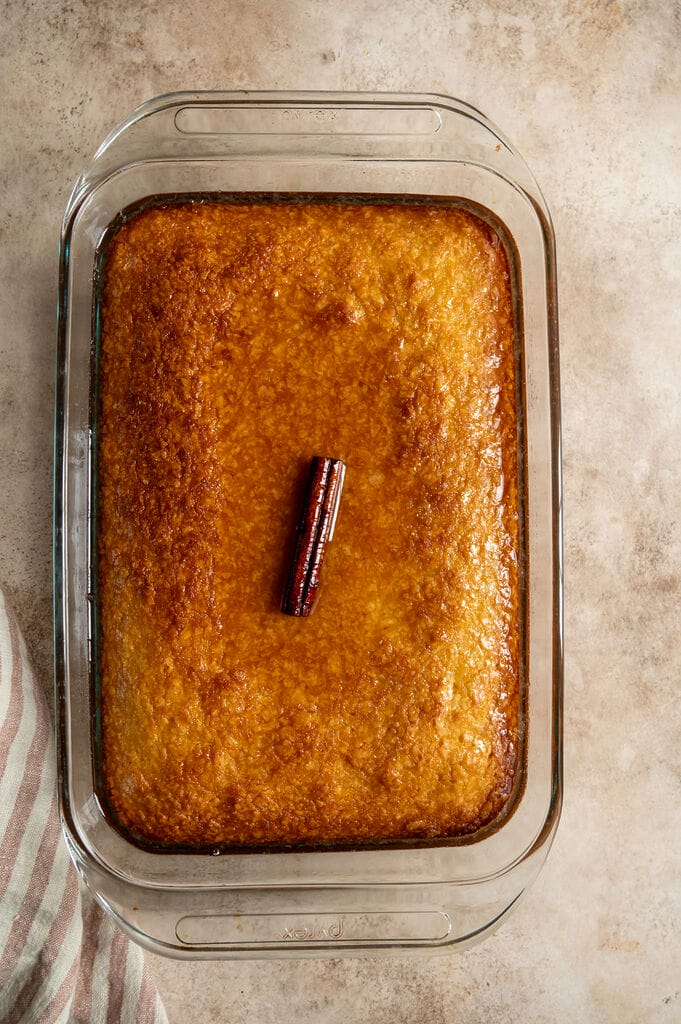
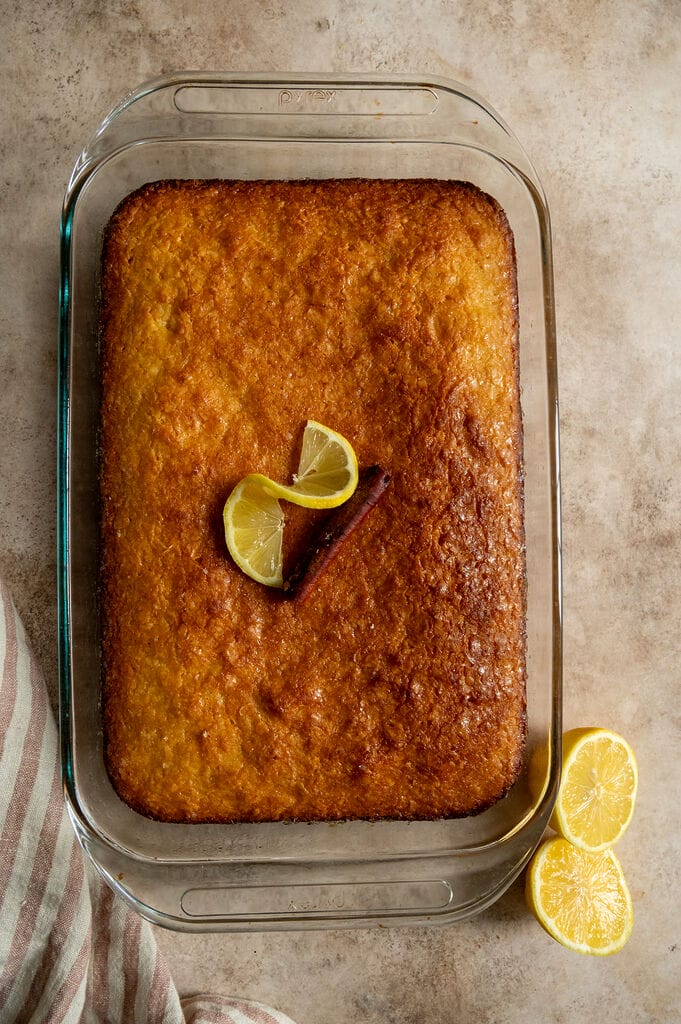
Step 5
Before serving allow your cake to cool completely. Dust with icing sugar before serving, if desired.
Baking tips and helpful hints
The fastest and most effective way to dry phyllo is to bake it at a low temperature rather than leaving it out to air-dry. Crumple each sheet and arrange them on a baking sheet before placing them in the oven. For full instructions, refer to the recipe.
I prefer using freshly squeezed lemon juice in this recipe, but a good-quality store-bought lemon juice works well too if that’s more convenient.
I typically use fresh phyllo sheets, but if frozen is what you have available, that works just fine. Simply thaw the phyllo in the refrigerator overnight. Make sure to defrost it in the fridge, as leaving it on the counter can lead to soggy sheets.
Recipe variations
If you love the idea of this cake, then you should definitely also try making my portokalopita recipe! People who have made it have said that it is just as good (if not better) than the portokalopita they have had in Greece! Check out the recipe here:

Portokalopita (Πορτοκαλόπιτα)
Frequently asked questions
How is lemonopita different from other lemon cakes?
The key difference is that instead of using traditional flour, this cake is made with dried, crumbled phyllo dough. Once baked, it is soaked in a lemon syrup, which gives it a moist, distinctive texture and bright flavour. Lemonopita is a classic Greek dessert that stands out for its unique preparation. Other lemon-flavoured cakes include lemon and olive oil cakes or lemon ricotta cakes.
Is it best to use fresh or frozen phyllo dough?
I prefer using fresh phyllo dough whenever possible, which you can often find in the refrigerated section of well-stocked grocery stores or Mediterranean markets. However, frozen phyllo works just as well if that’s what you have on hand. This is especially true for lemonopita, where the phyllo is dried and crumbled anyway. Just be sure to thaw it overnight in the refrigerator.
Can lemonopita be made ahead of time?
Absolutely. In fact, I find it tastes even better the next day. The lemon syrup fully absorbs into the cake as it rests, resulting in a beautifully moist texture and a more pronounced, well-rounded flavour
How to store
Lemonopita keeps very well; in fact, many people find it even better 2–3 days after it’s baked. That said, it’s also delicious the same day, once it has cooled and had a few hours to soak up the syrup. You might want to try a piece each day to see when you enjoy it most—I call that research 🙂
Store any leftover lemonopita in the refrigerator. When you’re ready to serve it, you can warm it up, or enjoy it cold or at room temperature. Try it different ways and see what you prefer!
How to serve
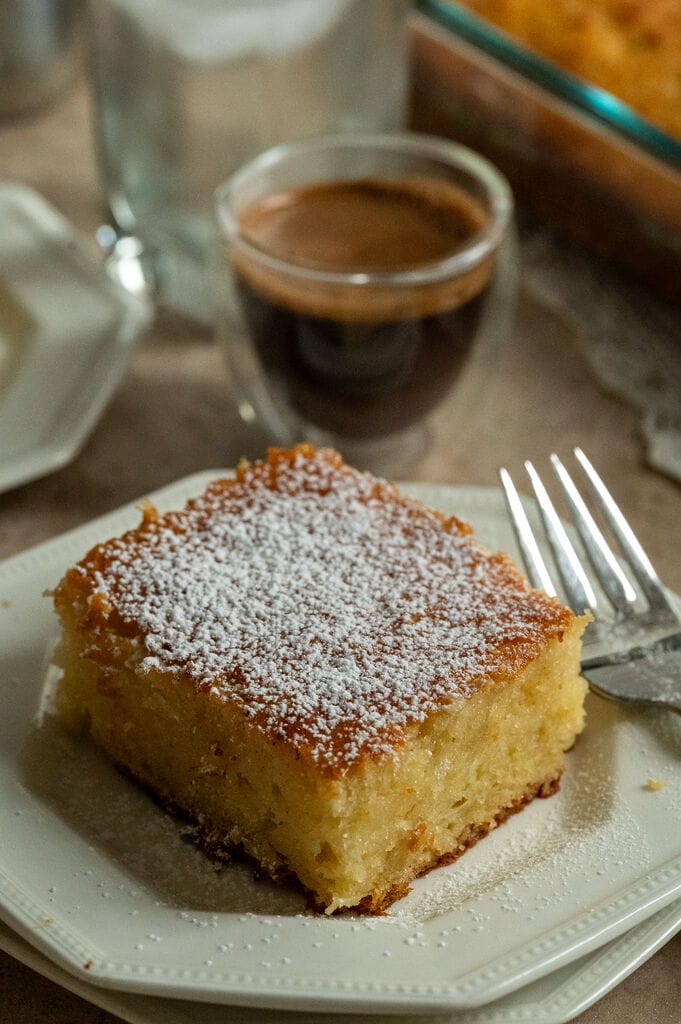
I love serving this cake with a scoop of vanilla ice cream or a side of Greek yogurt. That said, it’s just as delicious on its own—perhaps paired with a Greek coffee or a cup of Greek chamomile tea.
We love to hear from you! If you make our recipes, please take the time to Comment, and give us a Star Rating! We truly appreciate hearing from you!!!
Related recipes
If you love lemon desserts like this lemonopita, then I think you will also enjoy these recipes:
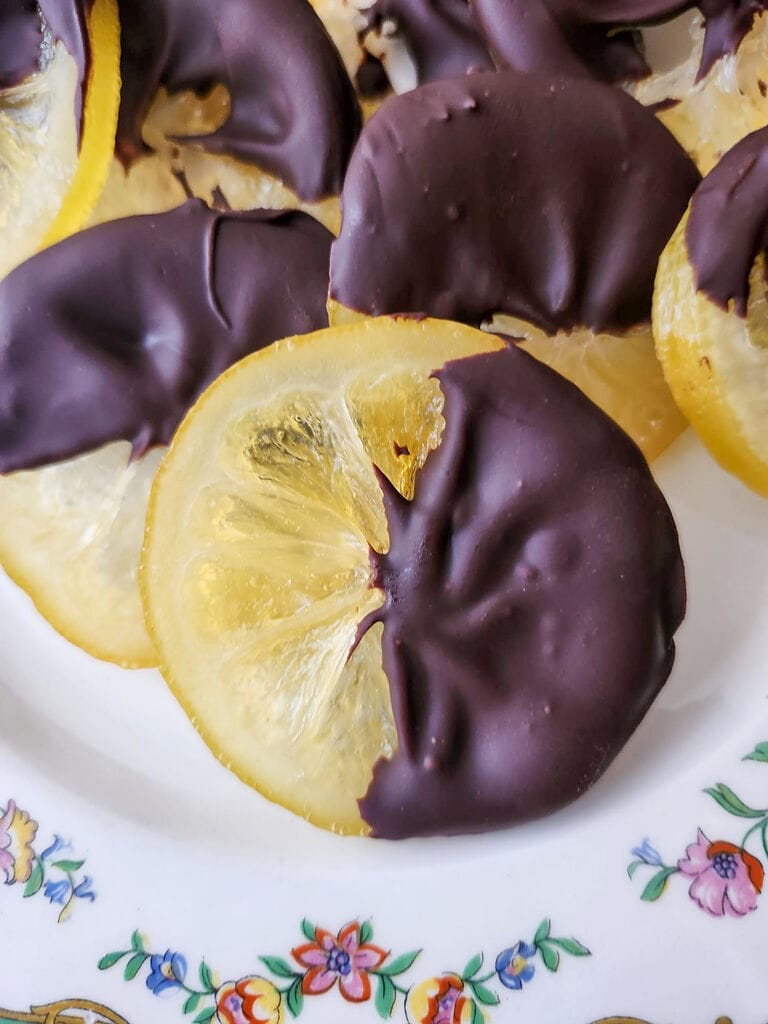
Candied lemon slices
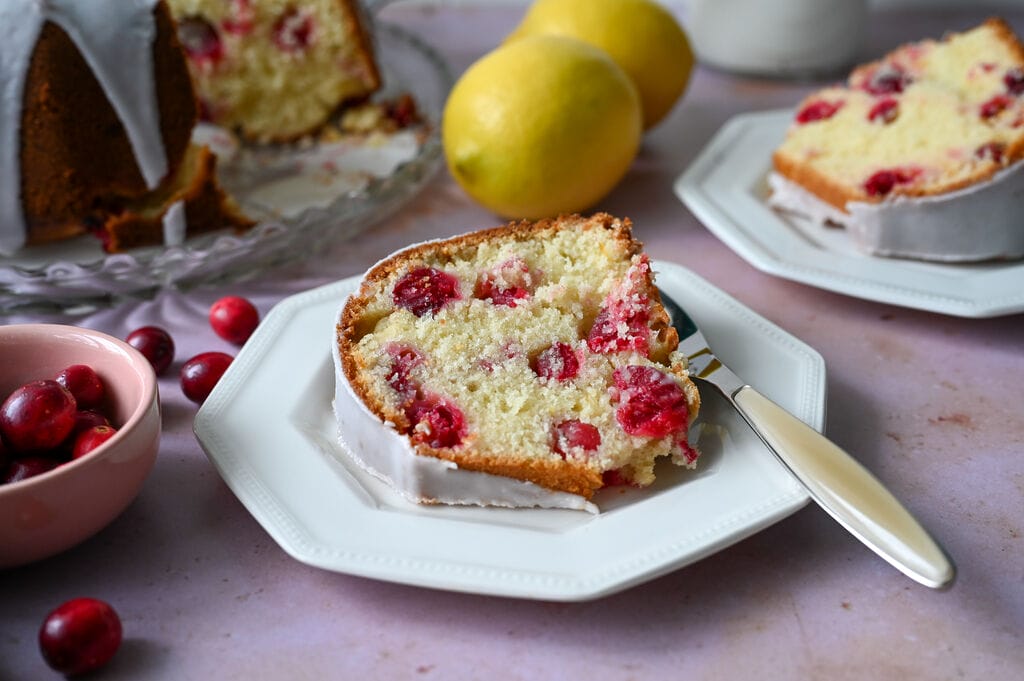
Lemon and cranberry olive oil cake
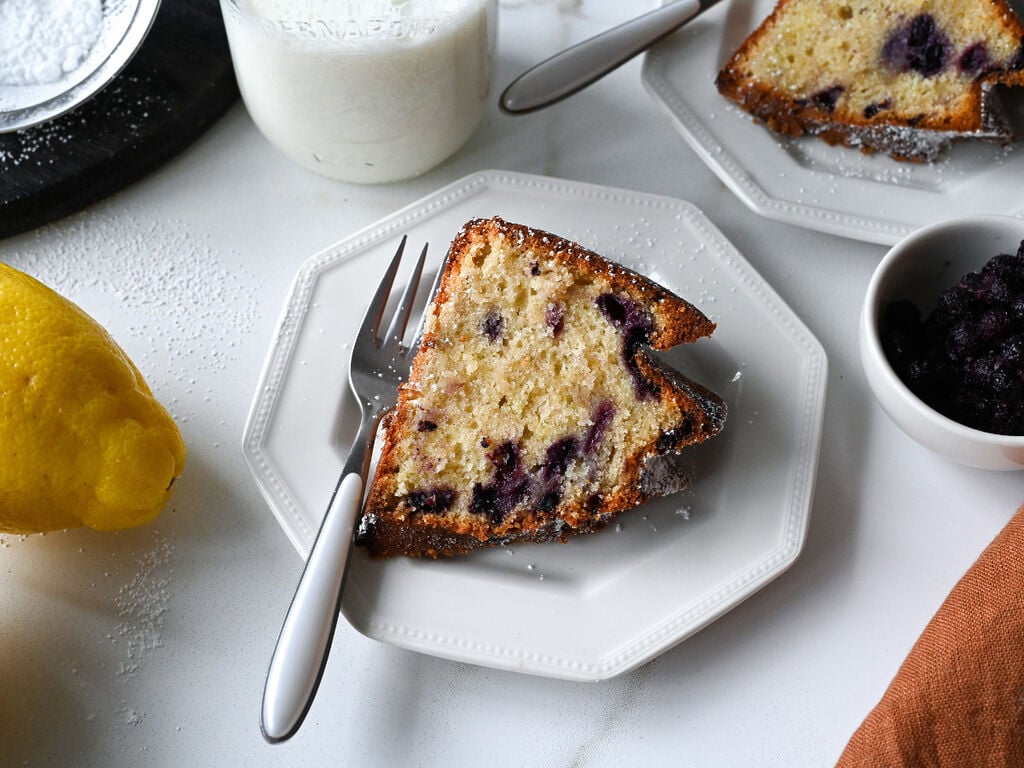
Lemon and blueberry olive oil cake
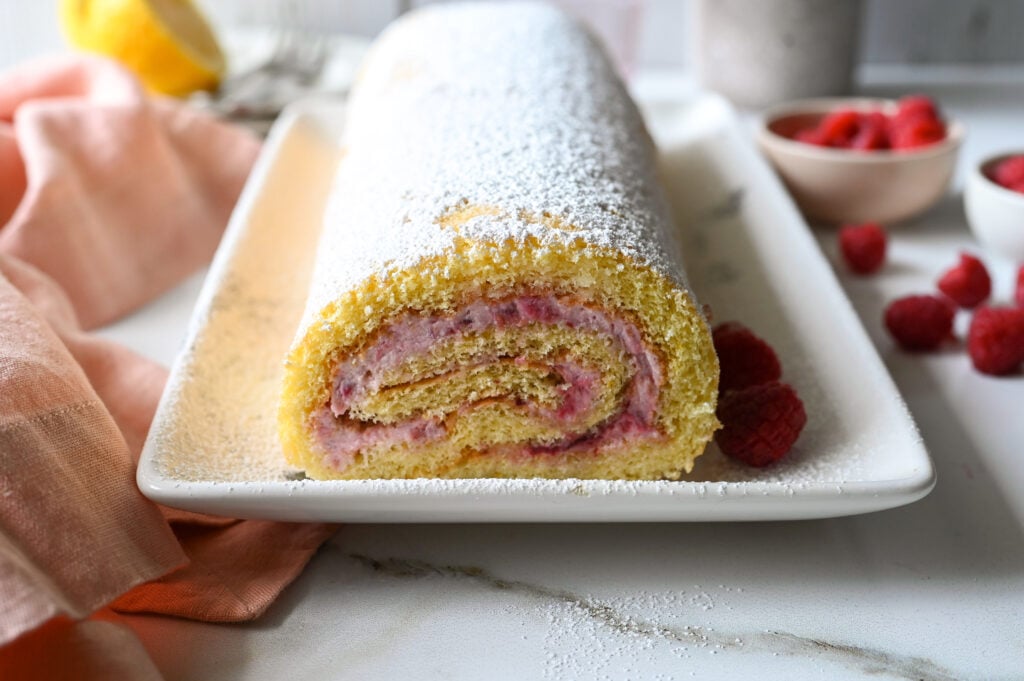
Raspberry lemon jelly roll cake
Don’t forget to subscribe!
Recipe
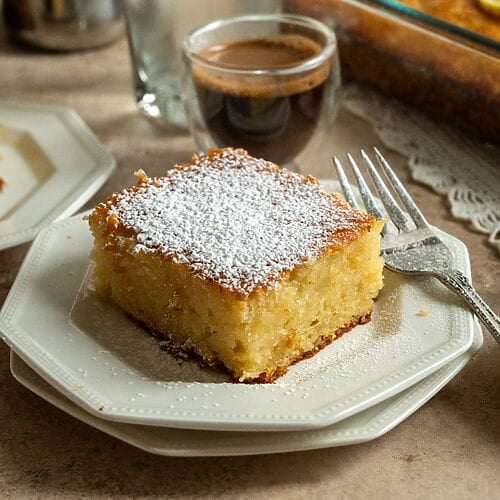
Lemonopita, Greek lemon cake made with phyllo
Equipment
- 1 9 x 13 inch baking pan
Ingredients
For the syrup
- 1 ½ cups water
- 1 ¾ cups sugar
- ½ cup fresh lemon juice
- zest of one lemon
- 1 cinnamon stick
- 1 tbsp honey
For the cake
- 454 grams phyllo sheets or 1 lb
- 4 large eggs
- 1 cup sugar
- zest of 3 lemons
- 1 cup Greek yogourt, plain
- 1 tsp vanilla extract
- 1 tsp baking powder
- 1 tsp baking soda
- ¼ tsp salt
- 1 cup vegetable oil
- ½ cup fresh lemon juice
- 2 tbsp honey
- vegetable oil for greasing the pan
- icing sugar for dusting on to cake optional
Instructions
Prepare the syrup
- Combine the ingredients for the syrup in a small pot. Bring to a boil and then reduce heat and simmer uncovered for 15 minutes. Remove from heat and allow to cool completely.1 ½ cups water, 1 ¾ cups sugar, ½ cup fresh lemon juice, zest of one lemon, 1 cinnamon stick, 1 tbsp honey
Dry the phyllo
- Preheat your oven to 200 °F
- Take each phyllo sheet and scrunch them up, one by one, starting from the short side. After scrunching a sheet, place it on a baking sheet and continue until you have used the entire pack of phyllo. Leave enough space between the scrunched up phyllo and do not pack it together too tightly. You will need two baking sheets to accomodate all the phyllo sheets.454 grams phyllo sheets or 1 lb
- Bake in the middle and bottom racks of your oven for about 10 minutes. After the 10 minutes have passed, remove pans from the oven and flip each phyllo sheet over. At this point rotate the pans so that the one on the bottom rack goes to the middle rack and vice versa. Bake for an additional 8 minutes. Turn off your oven and leave the phyllo in the oven while keeping the oven door slightly ajar; you can use a folded kitchen towel or oven mitt to do this.
- Once the phyllo is completely dried out and crispy, use your hand to tear it into pieces. This is not an exact science, and the pieces do not need to be uniform. Set aside.
Prepare the cake batter
- Preheat oven to 350 °F
- In the bowl of your stand mixer combine the eggs and sugar and beat for 3 to 4 minutes, until a pale yellow colour. Add the lemon zest, Greek yogourt, vanilla, baking powder, baking soda and salt and mix until well combined.4 large eggs, 1 cup sugar, zest of 3 lemons, 1 cup Greek yogourt, plain, 1 tsp vanilla extract, 1 tsp baking powder, 1 tsp baking soda, ¼ tsp salt
- Next, to the mixer add the oil, lemon juice and honey and mix until well combined.1 cup vegetable oil , ½ cup fresh lemon juice, 2 tbsp honey
- Using a rubber spatula begin to incorporate your dried out and torn phyllo into the cake batter, a bit at a time. Stir well after each addition, and continue until all the phyllo has been used up.
- After you have incorporated all of the phyllo into the cake batter, pour the mixture into a greased 9 x 13 inch baking pan. Bake for 50 – 60 minutes in the middle rack of your oven until the lemonopita is a nice golden colour on top. Check it after 50 minutes, you don't want it to burn.
- When baked, remove the lemonopita from the oven and immediately pierce it in several places with a long skewer.
- Pour the cooled syrup onto the hot cake, one ladle at a time. Allow each ladle full of syrup to be absorbed into the cake before adding the next one. Repeat until all of the syrup has been used.
- Allow your cake to cool completely before serving. If you like, dust the top with icing sugar prior to serving.
I guess the weight of filo pastry is 1lb or 16 Oz or 454g.
Yes exactly 🙂 Enjoy! xoxo Helen & Billie