
What Is Greek Sfela Cheese? Taste, Uses, and How It’s Different from Feta
Greek sfela cheese is a hard white cheese that is similar to feta. It is made in the region of Messinia and parts of Laconia, Greece and it is definitely worth seeking out if you are visiting the area. I am so happy to share more about this wonderful cheese, how to enjoy it, and how it is similar, and different, from feta!
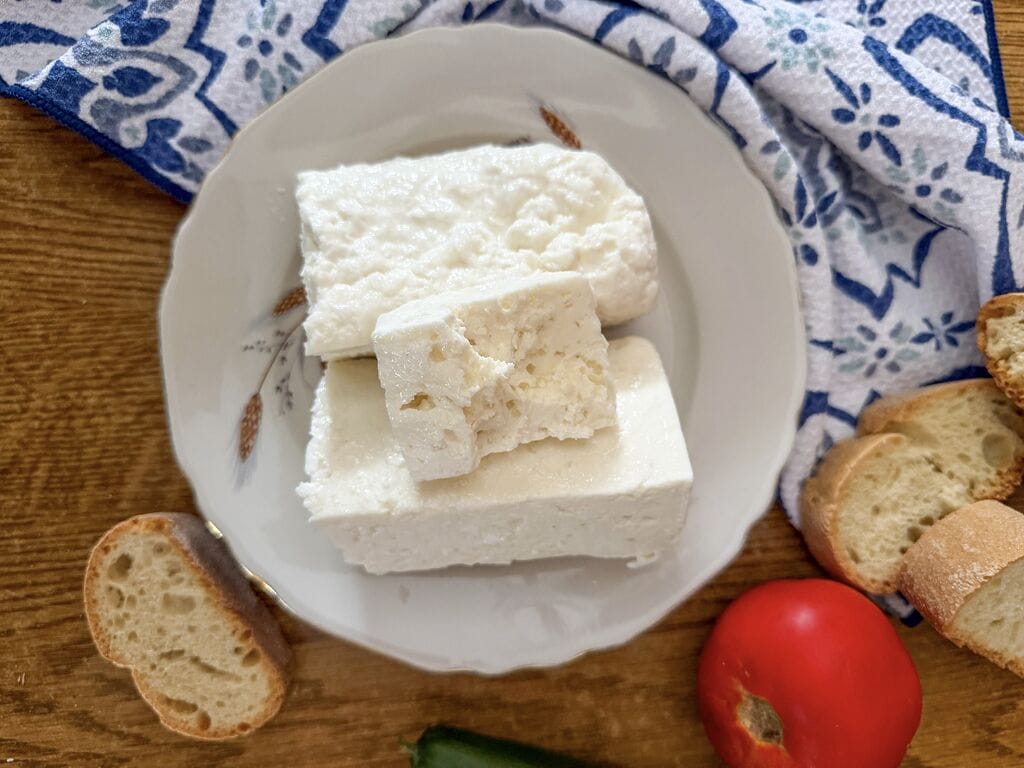
One of my favourite things to eat when I am in Kalamata is sfela cheese. I consider myself super fortunate that my aunt is able to find horiatiki sfela, meaning cheese that is made by a woman she knows in the village. This lady has a few sheep and she uses their milk to produce the most amazing sfela. This is not mass produced cheese! Instead it is sfela that is made with care, appreciation and a commitment to living off of the riches one is blessed with.
What is sfela cheese?
Sfela is a traditional Greek brined cheese produced primarily in the region of Messinia and parts of neighboring Laconia in the Peloponnese. It is made from sheep’s milk, goat’s milk, or a combination of the two, giving it a rich, complex flavor. The name sfela comes from the Greek word sfelida, which means strip, which refers to the way it gets cut during its production.
Unlike many fresh cheeses, sfela is aged in brine for a minimum of three months. This aging process allows it to develop its characteristic firm texture and pronounced salty, tangy flavour. Some people refer to it as a spicy or fiery cheese.
Since 1996, sfela has been recognized as a Protected Designation of Origin (PDO) cheese, meaning authentic sfela can only be produced in specific regions of Greece using traditional methods. With strict quality requirements, this PDO-certified cheese contains a maximum moisture content of 45% by weight, a minimum fat content of 40% on dry matter, protein levels of 21-22%, and 4.7% salt. Pretty specific!
What does sfela cheese taste like?
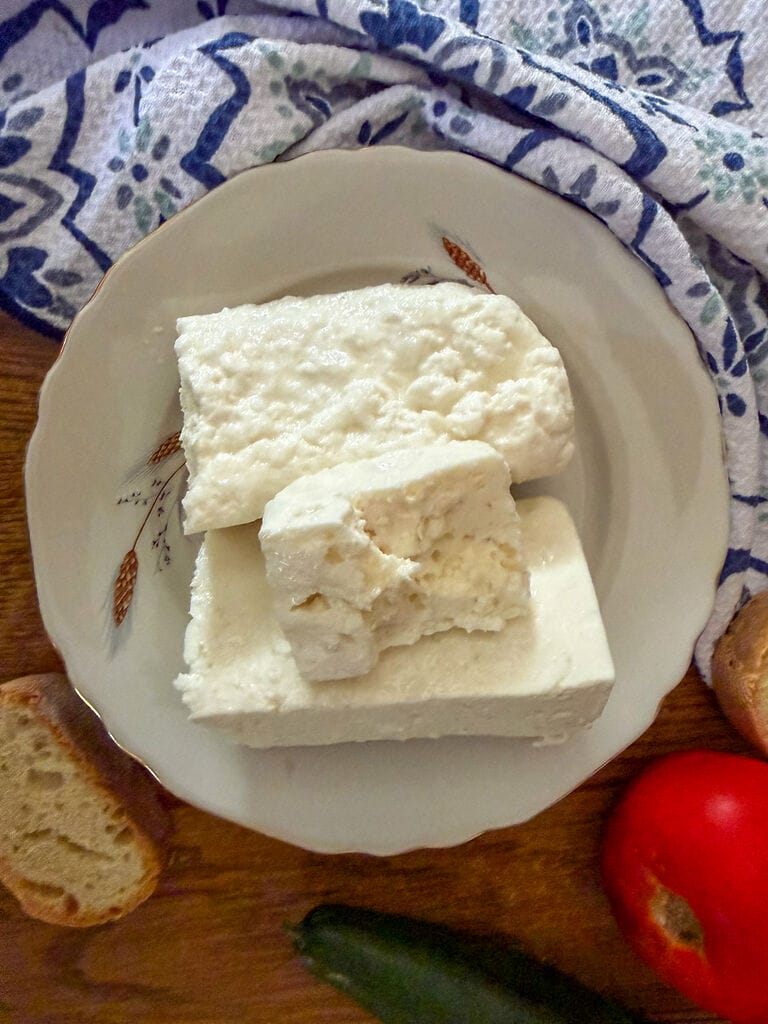
Sfela is not a cheese of the meek! It has a bold personality.
Compared to the better known feta, it is:
- saltier
- firmer
- slightly spicy
- pleasantly tangy
- rich and savoury
- less crumbly
- chewy when heated
Its flavour is robust enough to stand on its own but also complements fresh vegetables, grilled meats, legumes, and pasta beautifully.
Where does sfela cheese come from?
Sfela is deeply rooted in the rich agricultural region of Messinia, in the southwestern Peloponnese. This area, renowned for its world-class olive oil, olives, figs, and citrus groves, has long been the home of this distinctive Greek cheese.
Traditionally, shepherds made sfela using the milk of sheep and goats that grazed on the region’s wild herbs and native plants. This natural diet contributes to the cheese’s unique character, making sfela a true reflection of the land from which it comes.
Today, sfela remains an everyday favourite in many Messinian households. Rather than being reserved for celebrations, it is enjoyed as a regular part of daily meals and is an important part of the region’s culinary identity.
Why you will love sfela cheese!
There are so many reasons to love this traditional Greek cheese.
- It has a bold, savoury flavour.
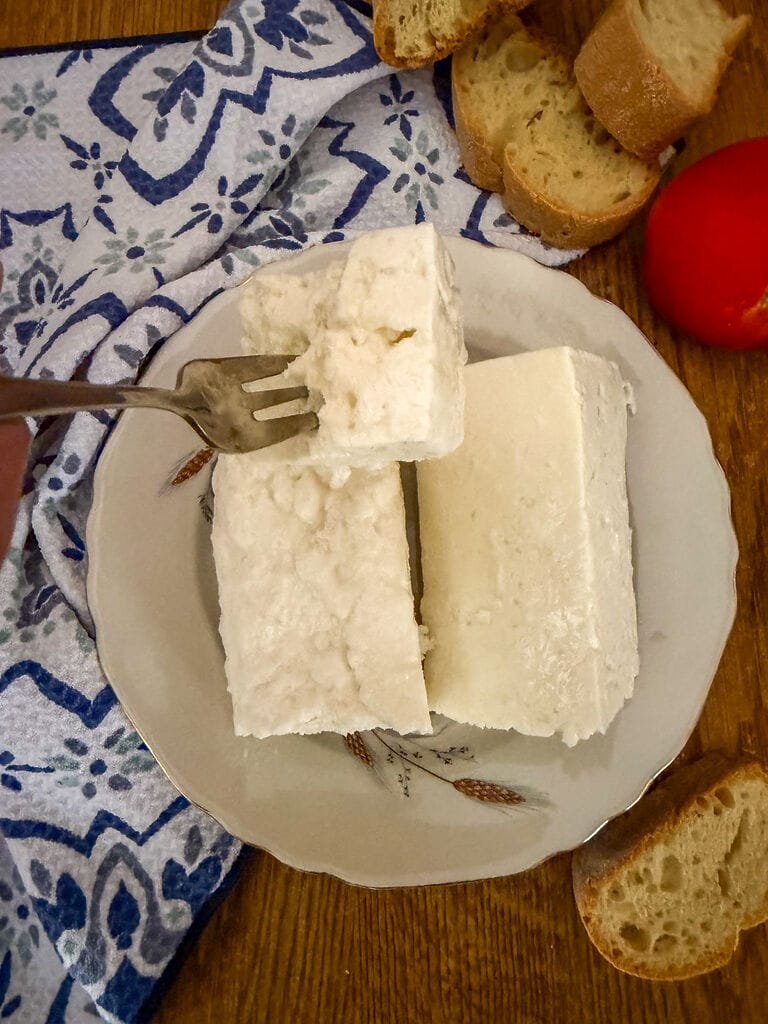
- It holds its shape when heated.
- It’s delicious grilled or pan-fried.
- It pairs beautifully with fresh summer produce.
- It adds incredible flavour to salads and pasta dishes.
- It’s naturally high in protein and calcium.
- It’s an authentic taste of southern Greece.
Sfela cheese versus feta
Although both cheeses are stored in brine and share some similarities, they are quite different. Here are a few ways you can tell them apart!
| Sfela | Feta |
|---|---|
| Firm texture | Creamy and crumbly |
| Saltier flavour | Milder flavour |
| Slight spicy finish | Tangy finish |
| Excellent for grilling | Softens quickly when heated |
| Chewy texture | Creamy texture |
| Primarily from Messinia | Produced throughout many regions of Greece |
If you’re looking for a cheese that can be grilled or fried without falling apart, sfela is an excellent choice.
How to use sfela cheese
One of the best things about sfela is its versatility, and there are a number of ways to enjoy it! You can also do like I do and cut a hunk every time you open the fridge and pop it into your mouth!
Grill it
Brush lightly with olive oil and grill until golden on both sides.
Pan fry it
Cook slices in a hot skillet until lightly browned and crisp on the outside.
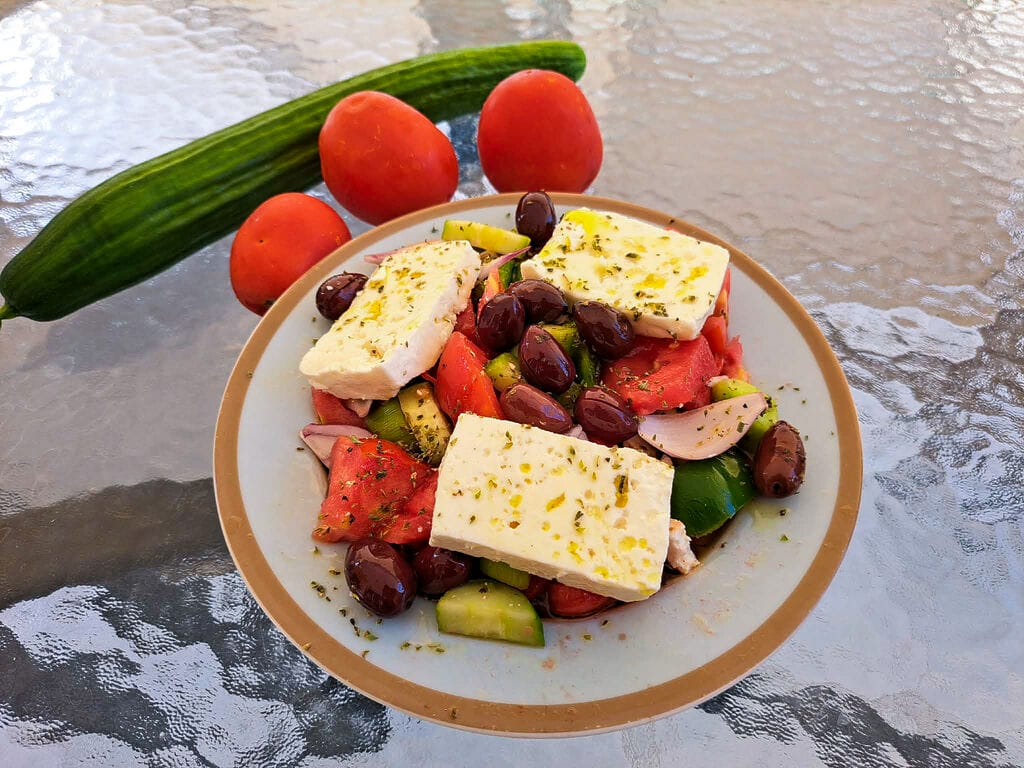
Add it to salads
Cube or crumble sfela over:
- a horiatiki or Greek salad
- watermelon salad
- bean salad
Toss it with pasta
Its salty flavour pairs especially well with roasted vegetables, tomatoes, spinach, and herbs.
Serve it on a meze platter
Pair sfela with:
- Kalamata olives
- crusty bread
- tomatoes
- cucumbers
- roasted peppers
- olive oil
- oregano
Can you substitute feta for sfela?
In many recipes, yes.
Feta can be substituted when sfela isn’t available, particularly in salads and baked dishes.
However, because sfela is firmer and saltier, it won’t produce exactly the same texture or flavour. Likewise, if a recipe calls for grilled sfela, feta may soften too much during cooking. You may be better of using halloumi in those instances, as this salty cheese holds up very well to grilling and frying.
How to store sfela cheese
Store sfela in its original brine whenever possible.
Once opened:
- refrigerate promptly
- keep submerged in brine
- store in an airtight container
- consume within the manufacturer’s recommended timeframe
If you no longer have the original brine, you can prepare a simple saltwater brine to help preserve the cheese.
Where can I find sfela cheese?
Outside Greece, sfela is most commonly found at:
- Greek grocery stores
- Mediterranean markets
- specialty cheese shops
You may also find it through online retailers specializing in imported Greek foods.
Frequently Asked Questions
Is sfela cheese the same as feta?
No. Although both are Greek brined cheeses, sfela is firmer, saltier, and has a pleasantly spicy flavour.
Can you grill sfela?
Yes. One of sfela’s best qualities is that it holds its shape beautifully when grilled or pan-fried.
Is sfela cheese made from cow’s milk?
Traditionally, no. Authentic PDO sfela is made from sheep’s milk, goat’s milk, or a mixture of both.
Is sfela cheese spicy?
It isn’t spicy like hot peppers, but many people notice a gentle peppery or spicy finish.
Can you freeze sfela?
You can, although freezing may slightly change its texture. For the best flavour and consistency, enjoy it fresh.
More Greek ingredients you’ll love
If you enjoyed learning about sfela, be sure to explore more traditional Greek ingredients and recipes here on Mia Kouppa.
Final thoughts
Although feta often steals the spotlight, sfela is one of Greece’s true hidden culinary treasures. Its firm texture, bold flavour, and versatility make it a wonderful addition to countless dishes, whether served simply with fresh tomatoes and olive oil or grilled until beautifully golden.
If you are curious about learning more about feta, be sure to check out this post: Feta facts: Everything you need to know about Greek feta cheese and how to use it.
If you ever have the opportunity to visit Messinia, don’t miss the chance to try authentic sfela from a local producer. We think you’ll quickly understand why it’s such a cherished part of the region’s culinary heritage.
Thank you for this. I will keep an eye out for sfela.
Great! Hope you find some and that you love it! xoxo Helen & Billie