
Authentic Greek pastitsio recipe
This authentic Greek pastitsio recipe (also spelled pastichio) is a classic Greek pasta bake made with layers of pasta, a rich meat sauce and creamy béchamel. It is the traditional pastitsio we grew up eating in our Greek home and remains a favourite in our family.
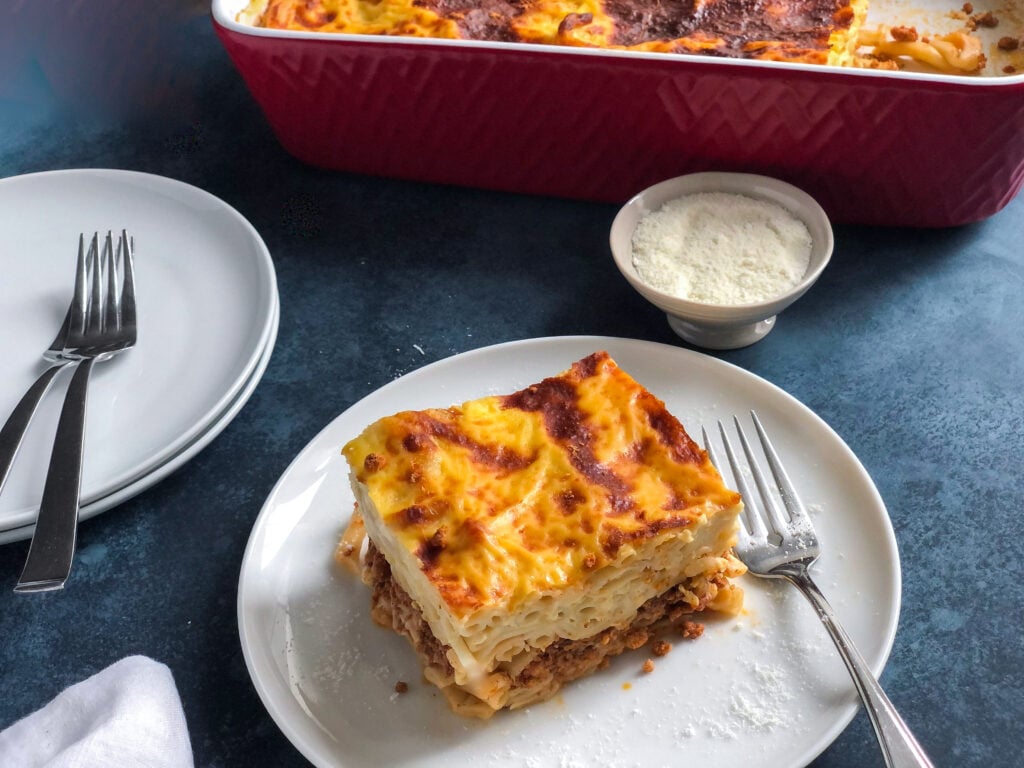
Pastitsio (also Pastichio) is one of the most beloved dishes in Greek cooking and a recipe that has been part of our family for generations. If you love meals like this one, explore more of our traditional Greek recipes, including moussaka, yemista, youvetsi and other family favourites.
We have 4 daughters between us and when they were pre-schoolers our parents cared for each of them while we returned to work after a blissful year or two of maternity leave. Not only were our children embraced by papou and yiayia’s love every day, they were also exposed almost exclusively to the Greek language and their Greek heritage. How special, and how blessed we all were! As if that weren’t enough, their bellies were filled daily with nutritious, home-cooked meals which were essentially made-to-order. If our daughters wanted to snack on milk and freshly made Greek cookies (koulourakia), our parents set to baking. When they craved spaghetti, the water was boiling before they could even say “σε παρακαλώ” (please). If they wanted chicken and there wasn’t any in the house, papou would run (practically) to the market to pick some up. Nothing was too much trouble, and to this day, especially when it comes to their grand-daughters, nothing ever is.
Although each of our girls had her particular favourite, one meal which was often requested by all of them was, and still is, pastitsio. It seems that their taste buds are similar to many of yours because pastitsio was also one of the recipes most requested by our readers when we first started Mia Kouppa, so it was one of the earliest recipes we shared, along with the other traditional Greek casserole dish, moussaka.
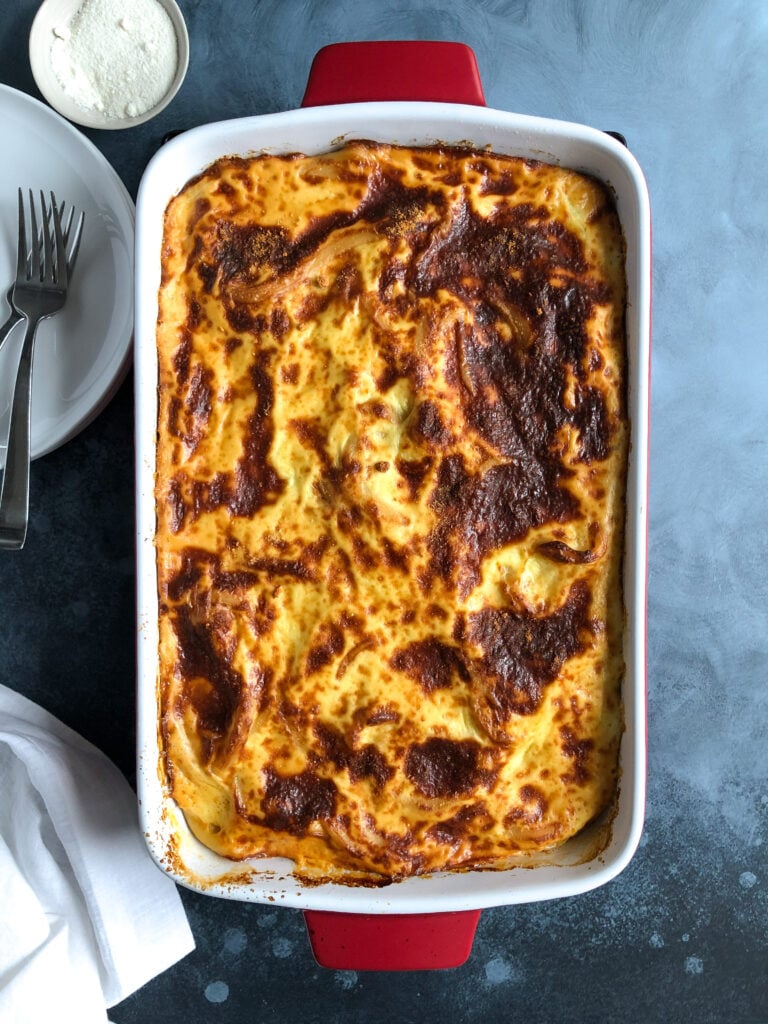
What is pastitsio?
Pastitsio (sometimes spelled pastichio) is a layered, baked dish which includes pasta noodles, ground meat and a béchamel sauce. It is a classic Greek meal, often invited to celebrations and large family gatherings. It may seem complex, but like our moussaka, the different components involved are actually pretty simple. And, as with moussaka, some of the steps, like boiling the noodles and preparing the meat sauce, can be done the day before, cutting down the prep time so that pastitsio can even make it onto your weekday menu plan.
Along with our love of pastitsio however comes a particular pastitsio pet peeve. We cringe just a little whenever we hear pastitsio described as a Greek lasagna. We know that lasagna is delicious, and many Greeks, including our parents, make lasagna…but pastitsio is not lasagna. Sure, they both include pasta, and lasagna often includes ground meat, and they are both baked…but so what? Pumpkins and carrots are both orange vegetables that can be turned into delicious soups, but you would never think to call a carrot a skinny, root pumpkin, would you? Pastitsio is pastitsio, a dish so delicious, so beautifully its own, that it deserves to be referred to by its proper name. Thanks 🙂
Ingredients for Greek pastitsio
Pastitsio is made up of three main components: a rich meat sauce, tubular pasta and a creamy béchamel topping. These are some of the key ingredients we use in our family’s recipe.
Ground meat: We use a combination of ground veal and pork for our meat sauce. This gives the sauce plenty of flavour while keeping it tender.
Tomato sauce: Homemade tomato sauce is wonderful here, but a good-quality store-bought tomato sauce works well too. The sauce combines with the meat, onion and seasonings to create the middle layer of the pastitsio.
Cinnamon: A small amount of cinnamon adds warmth to the meat sauce and gives it that distinctive flavour we associate with traditional Greek pastitsio.
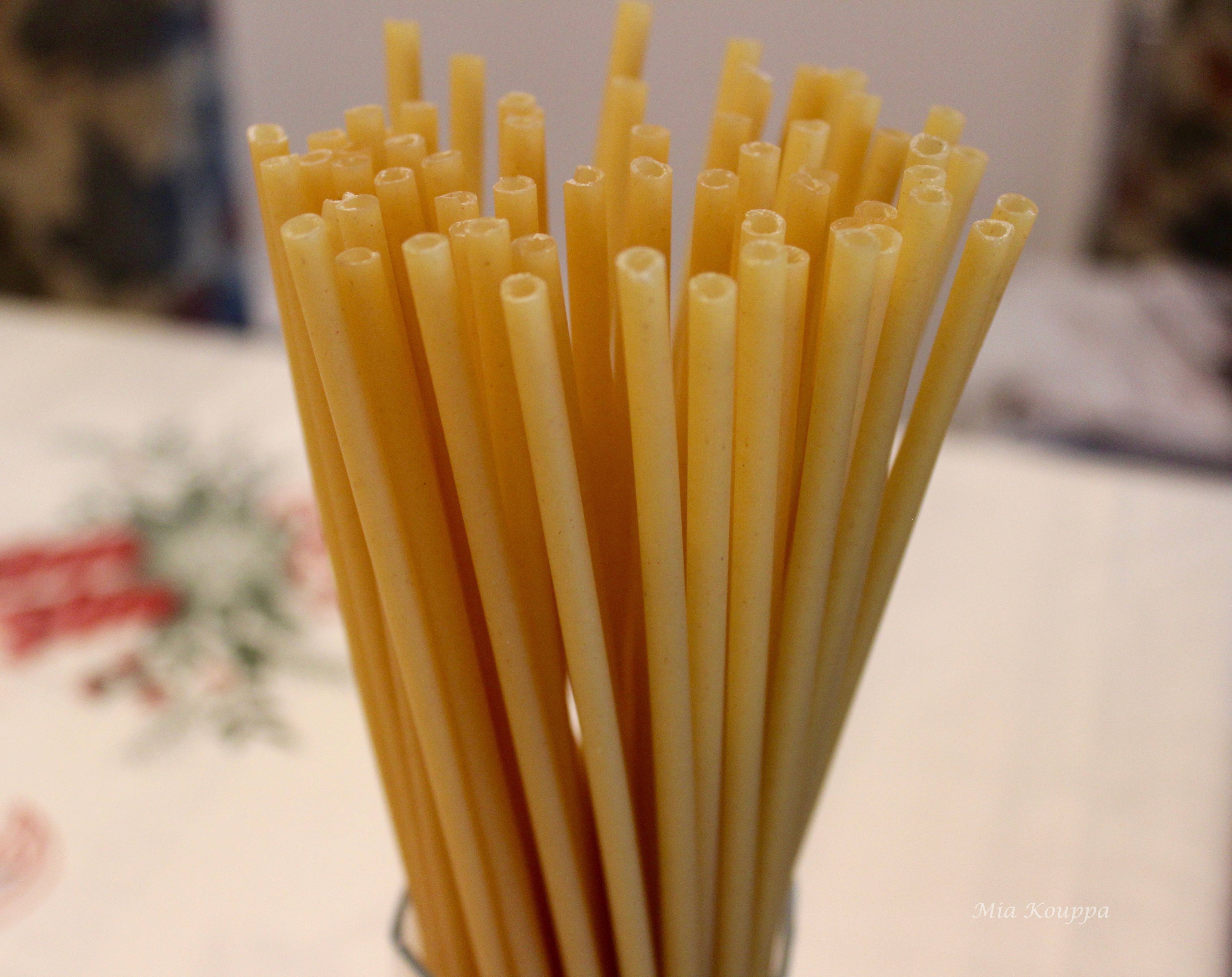
Pastitsio pasta: We use Misko Pastitsio No. 2, a long, hollow Greek pasta traditionally used for this dish. The tubular shape helps create the characteristic firm pasta layer and makes the pastitsio easy to cut into neat pieces.
Olive oil: We use Greek olive oil throughout the recipe, including in our béchamel. Unlike many béchamel recipes made with butter, ours uses olive oil.
Milk, flour and eggs: Along with olive oil, these ingredients create the thick and creamy béchamel that forms the top layer of the pastitsio. The eggs help the béchamel set beautifully as it bakes.
Mizithra cheese: We use grated mizithra throughout the layers of our pastitsio and sprinkle some over the béchamel before baking. If you can’t find Greek mizithra, you can substitute a combination of Parmesan and Romano cheese.
You’ll find the exact quantities and complete instructions in the recipe card below.
How to make pastitsio
Pastitsio does take a little time to prepare, but it is quite manageable when you break it down into three parts: the meat sauce and pasta, the béchamel, and assembling the layers.
1. Prepare the meat sauce
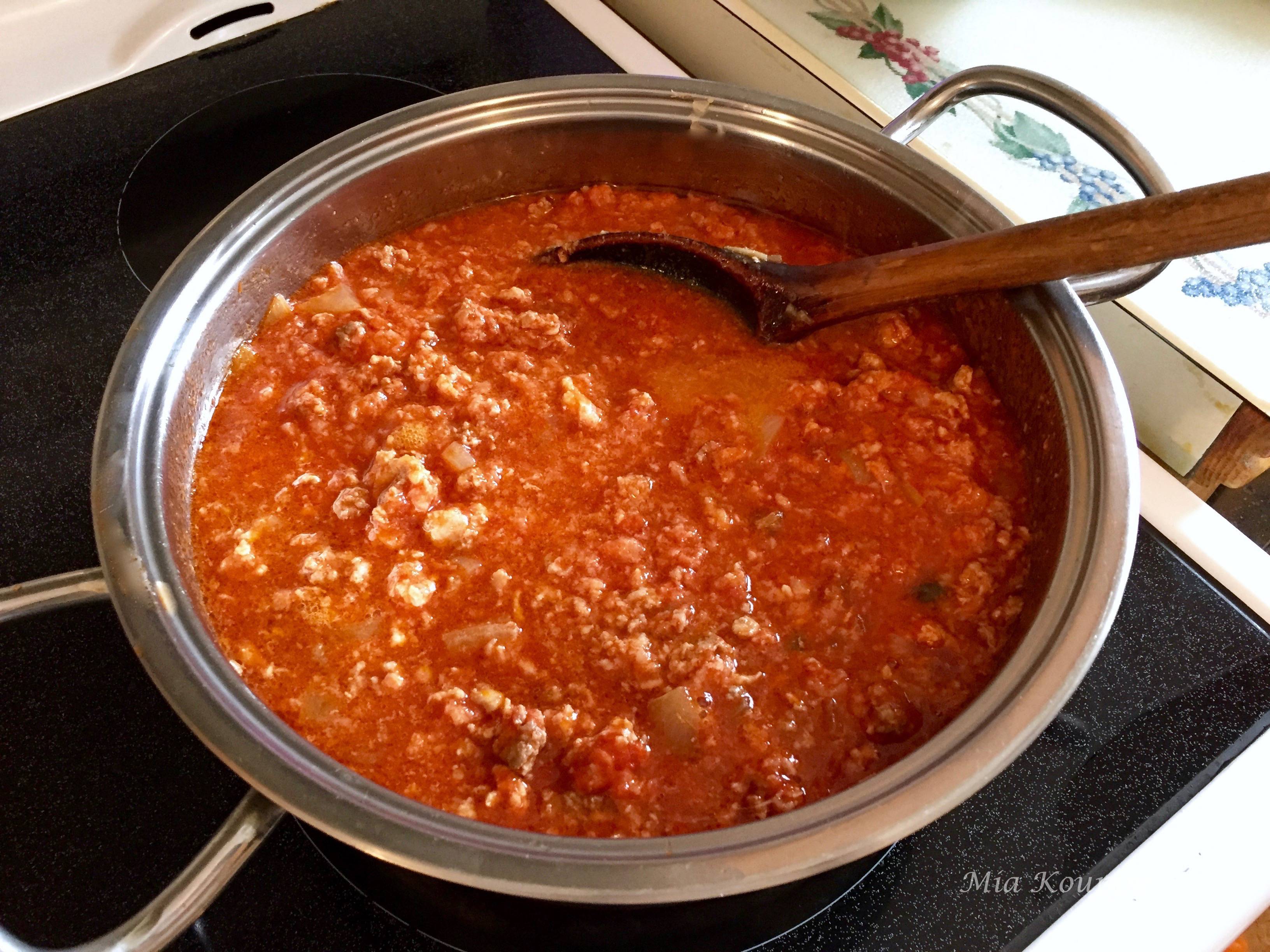
Cook the chopped onion in olive oil until softened. Add the ground veal and pork, tomato sauce, salt, pepper, cinnamon and boiling water. Cook uncovered over medium heat for about 45 minutes.
2. Cook the pasta
While the meat sauce is cooking, boil the pastitsio pasta according to the package directions. Don’t undercook the pasta simply because it will be baked later; it should be fully edible before assembling the pastitsio. Drain and set aside.
3. Make the béchamel
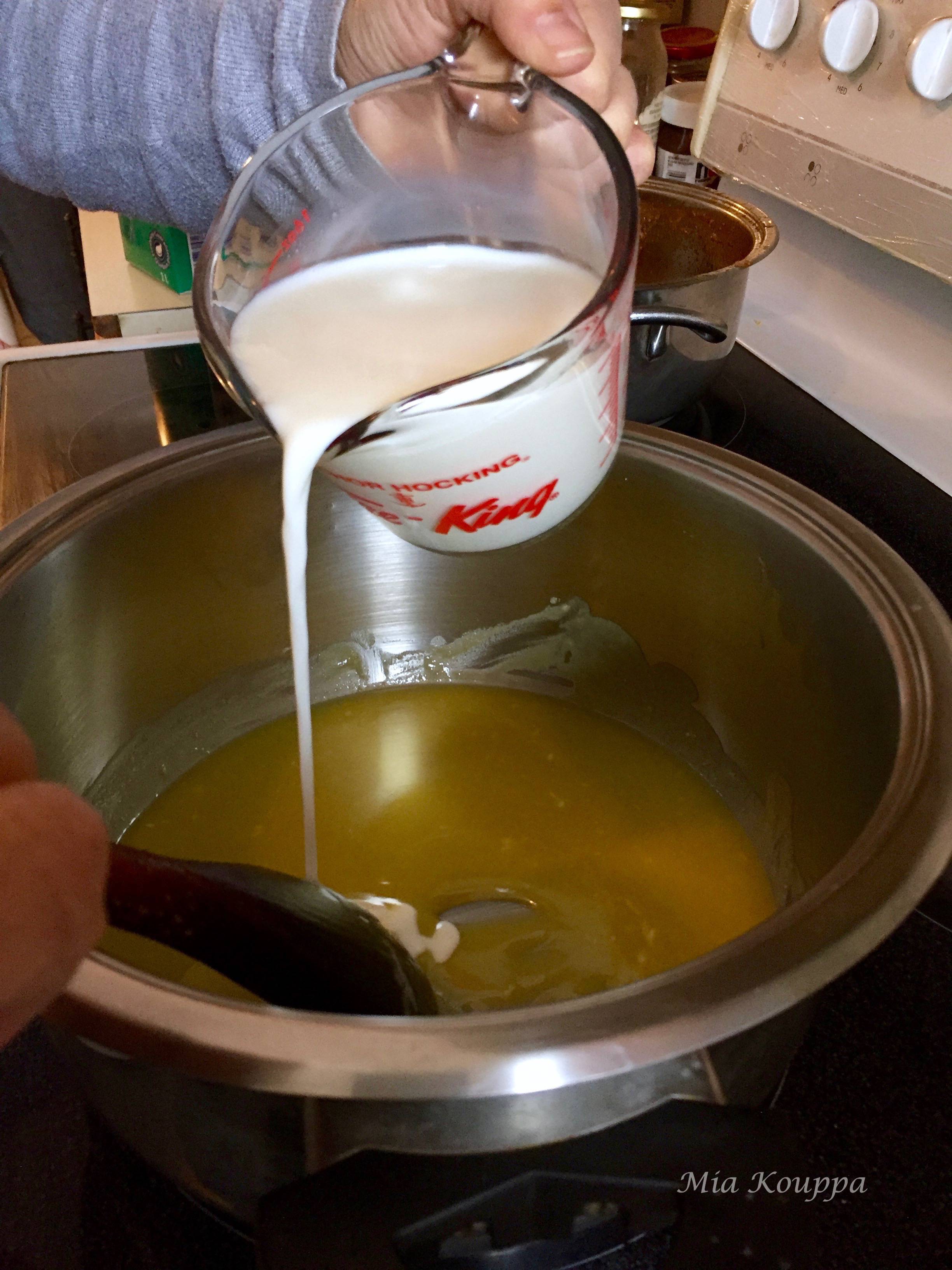
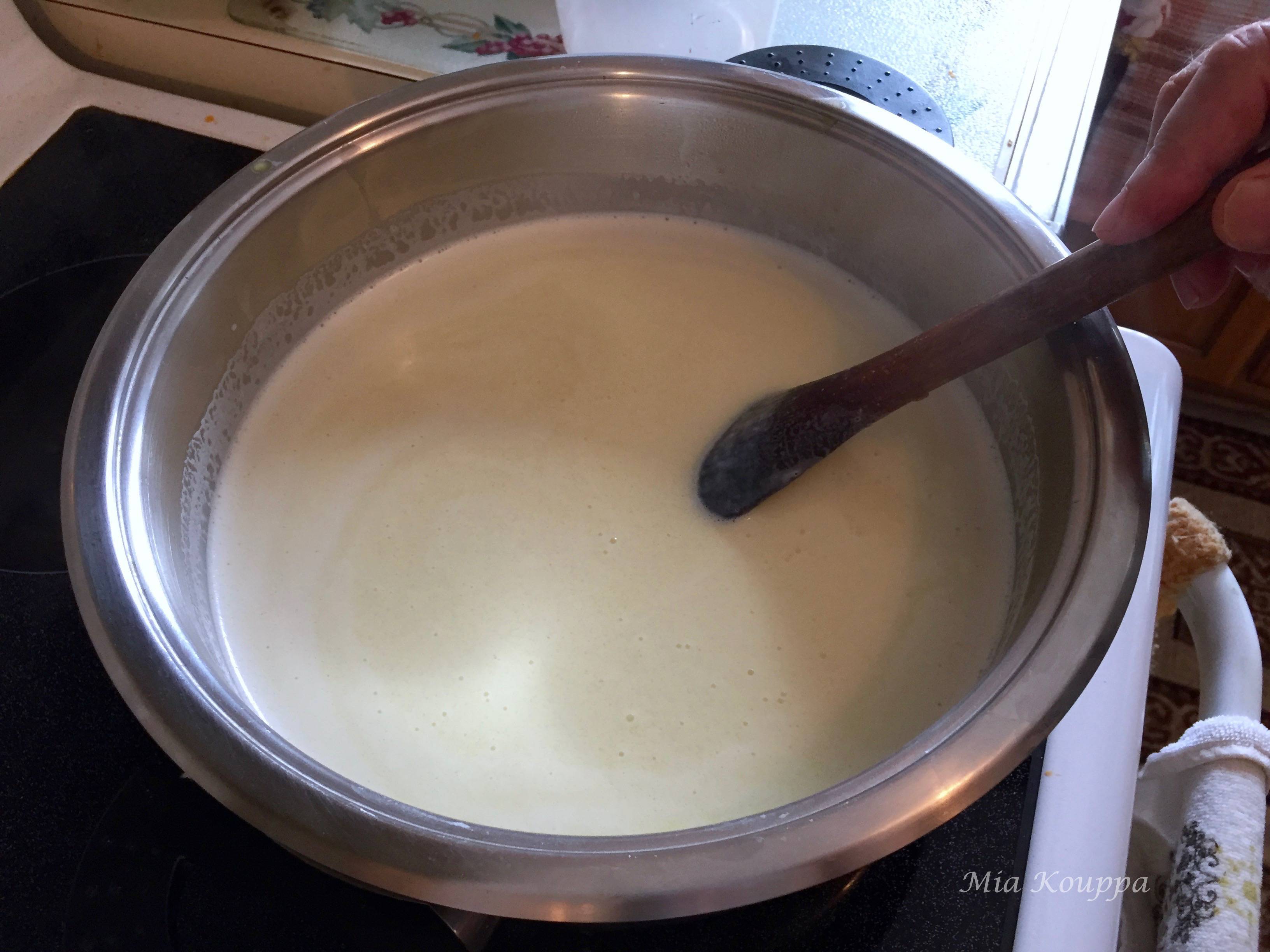
Heat the olive oil in a heavy saucepan, then add the flour and cook for 2 to 3 minutes without allowing it to brown. Slowly add the milk followed by the beaten eggs, stirring constantly. Continue cooking over medium-low heat until the béchamel has thickened but is still easily poured.
4. Layer the pastitsio
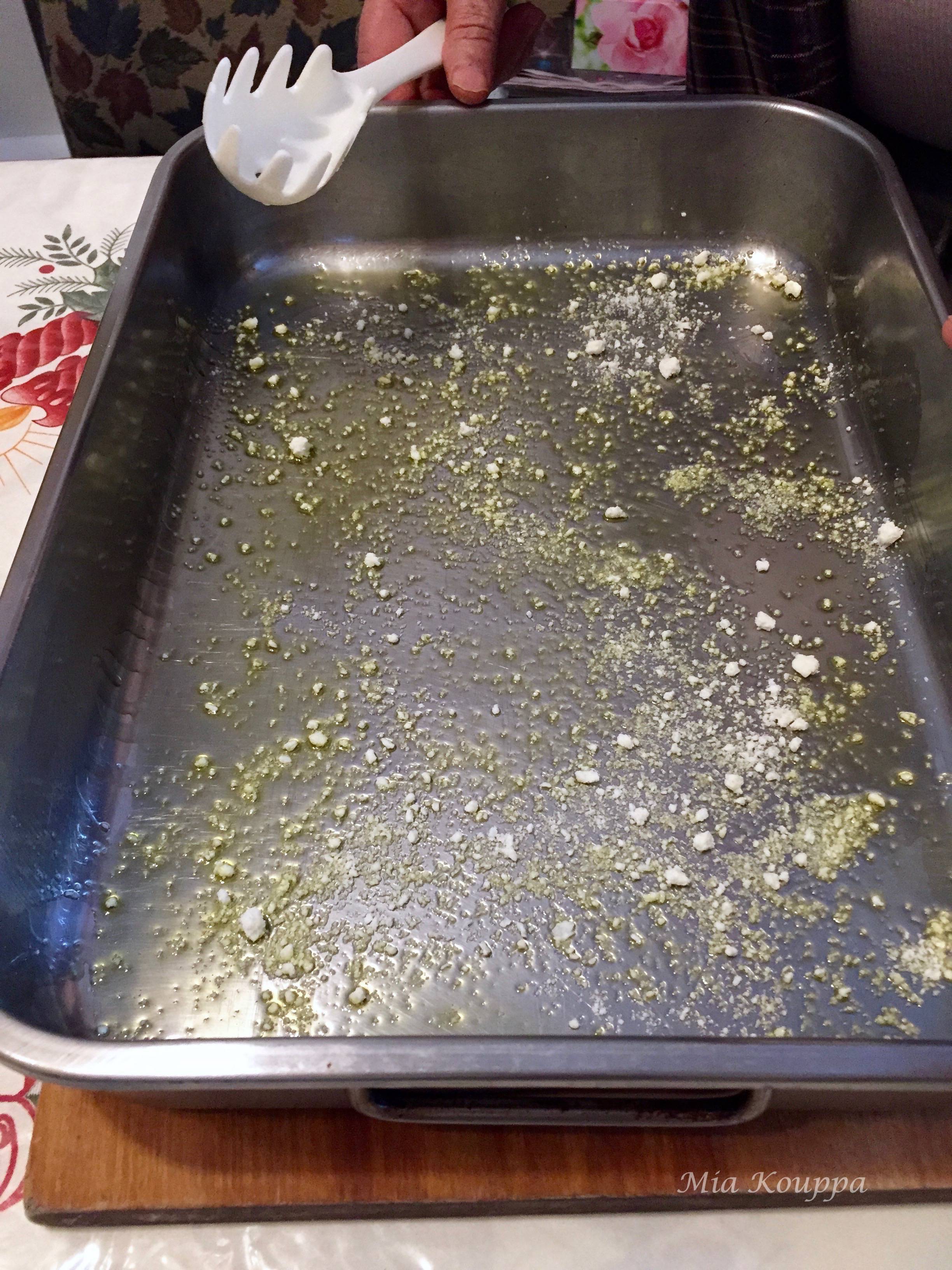
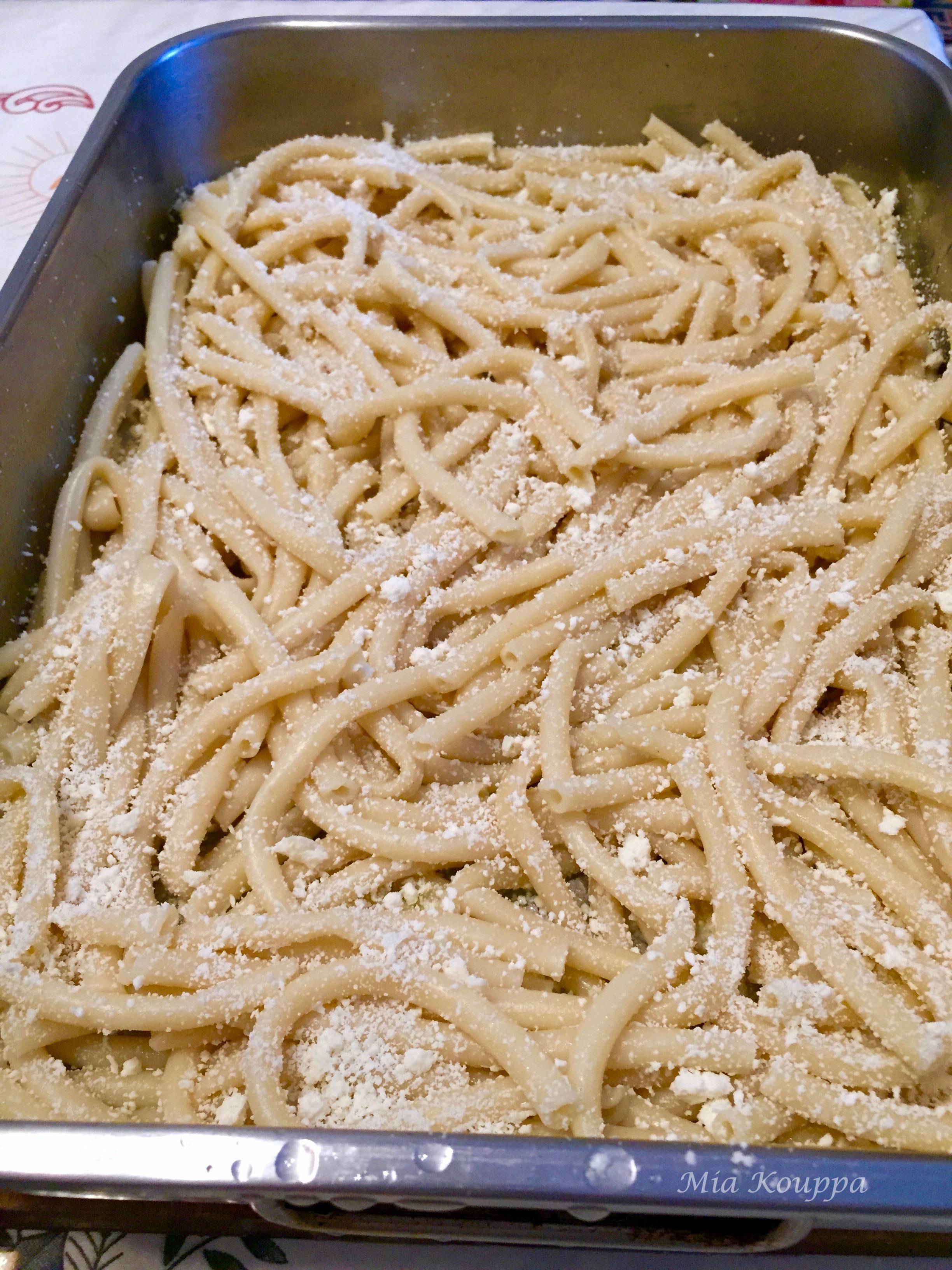
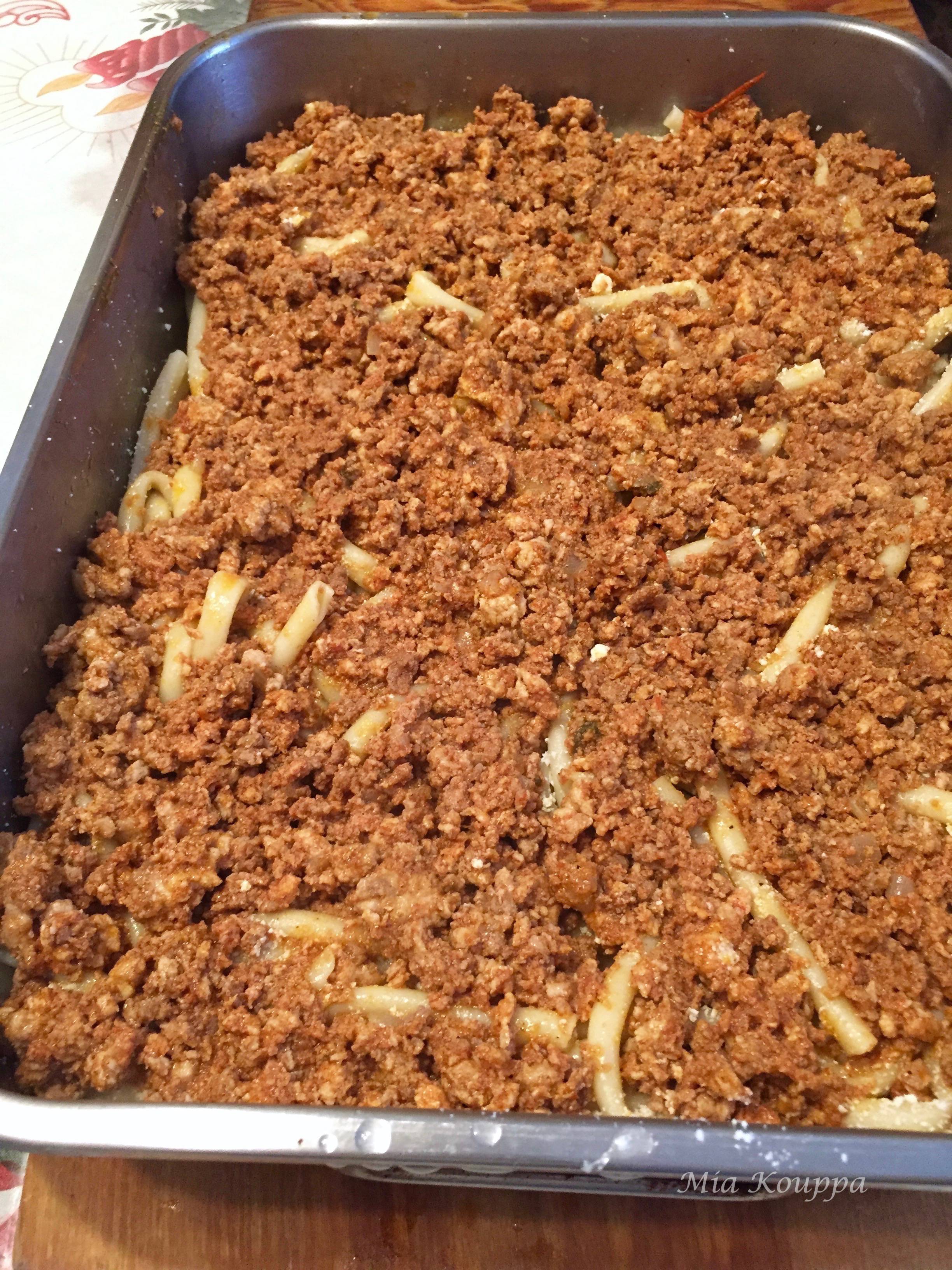
Grease your baking pan with olive oil and sprinkle the bottom with mizithra. Add half of the pasta and toss it with more mizithra. Spread the meat mixture evenly over the pasta using a slotted spoon to leave excess liquid behind, then sprinkle with nutmeg. Add the remaining pasta and another layer of grated mizithra.
5. Add the béchamel
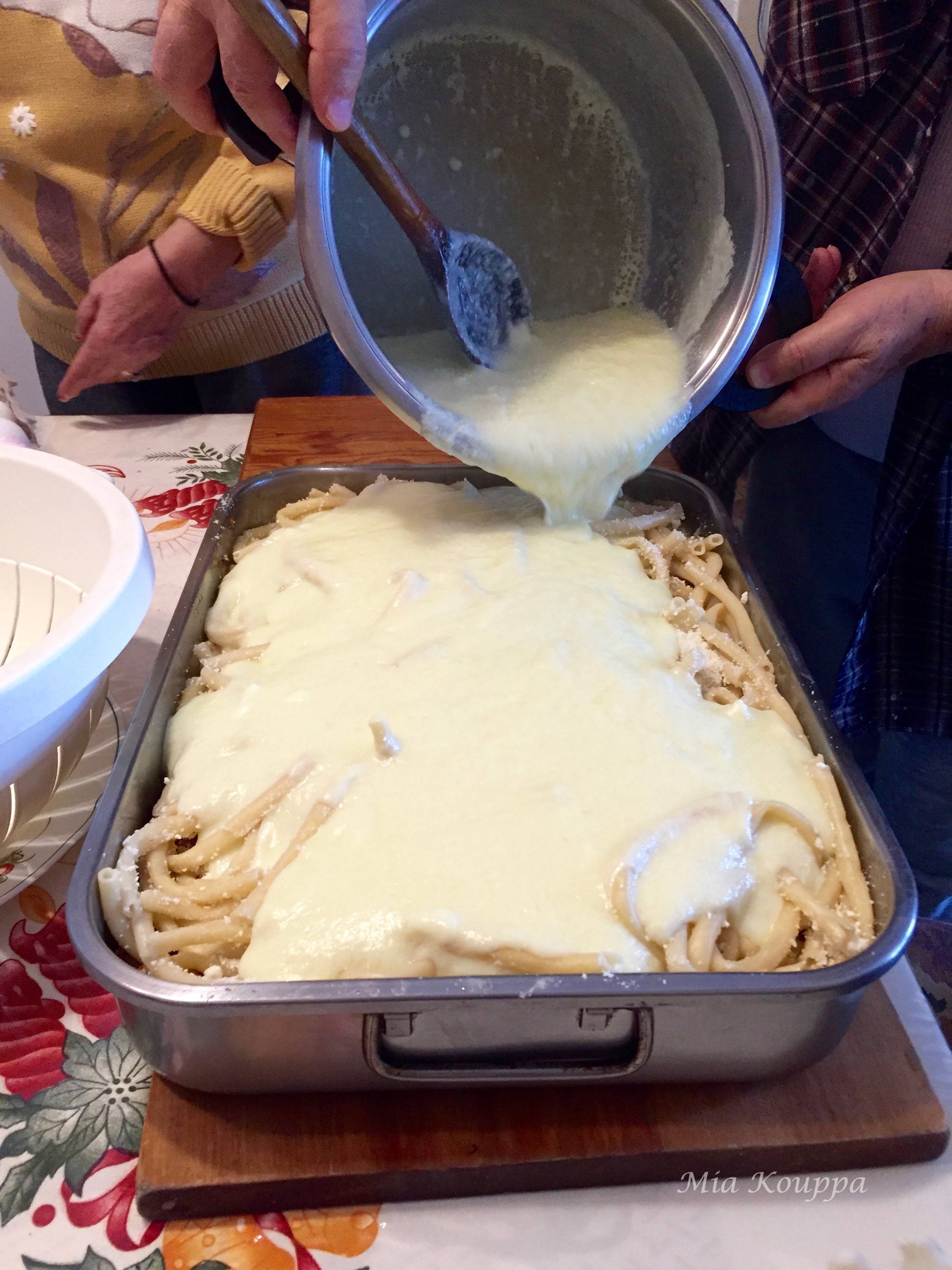
Pour the béchamel over the pasta and spread it evenly. Insert a fork into several areas of the pastitsio and gently wiggle it around. This allows some of the béchamel to seep between the noodles. Sprinkle the top with a little more mizithra.
6. Bake and let it rest
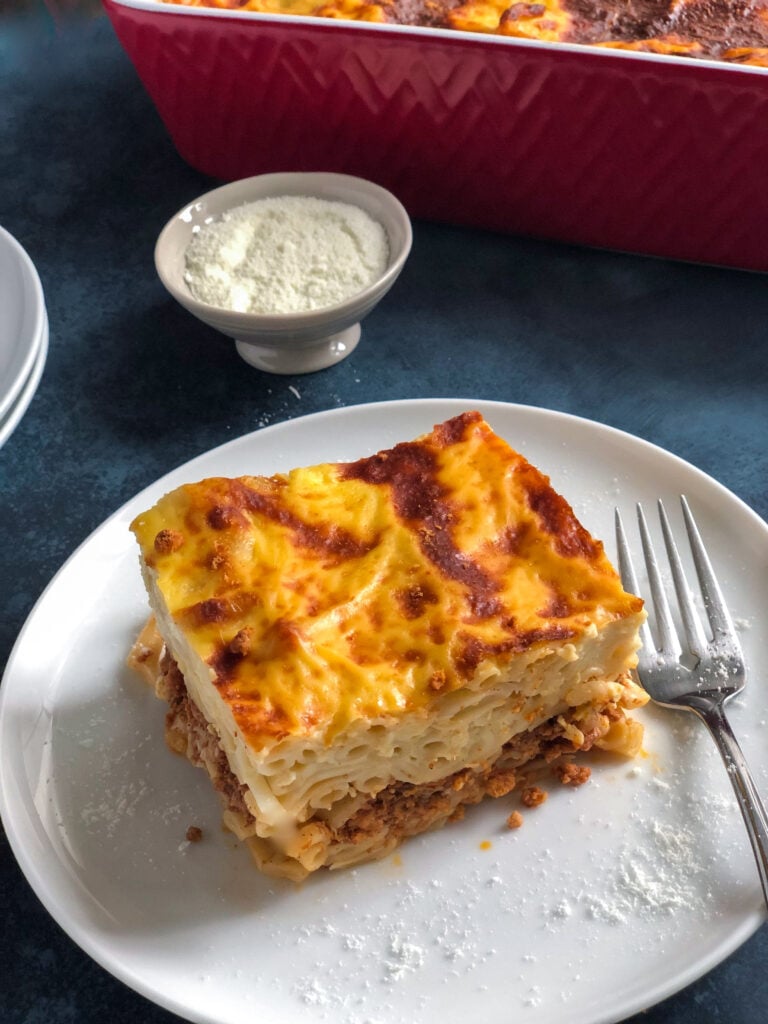
Bake at 400°F for approximately 50 minutes, until the top is beautifully golden. Let the pastitsio rest for 20 to 30 minutes before cutting it. This is important as it gives the layers time to set so you can cut those beautiful pieces of pastitsio.
See the recipe card below for exact ingredient quantities and complete instructions.
Tips for making the best Greek pastitsio
Pastitsio takes a little time to prepare, but none of the individual steps are difficult. Over the years, we’ve learned a few tricks from our parents that make preparing this classic Greek dish easier and help ensure that it turns out beautifully every time.
Make extra meat sauce
The meat sauce we use for pastitsio is essentially the same one our parents use for their Greek spaghetti and meat sauce. In fact, our parents intentionally make more than they need for the pastitsio. Their thinking is simple: if you’re going through the effort of making meat sauce, you may as well get two meals out of it! They are very practical people.
Any leftover meat sauce can be refrigerated or frozen. Serve it with pasta for an easy meal another day.
Prepare some of the components ahead
The meat sauce can be prepared ahead of time and refrigerated until you’re ready to assemble your pastitsio. You can also cook the pasta in advance.
We prefer to make the béchamel on the day we assemble and bake the pastitsio. Freshly made béchamel is smooth and pourable, which makes it much easier to spread evenly over the pasta.
Cook the pasta completely
This may seem counterintuitive because the pastitsio will eventually go into the oven, but don’t undercook the pasta. Our parents cook the noodles completely before assembling the dish.
Pastitsio pasta is quite sturdy and holds up beautifully during baking.
Let some of the béchamel seep into the pasta
This is one of our parents’ best pastitsio tricks! After pouring the béchamel over the top layer of pasta, insert a fork into several areas and gently wiggle it around.
This creates little openings that allow some of the béchamel to seep between the noodles instead of sitting entirely on top. The result is a wonderfully cohesive pasta layer beneath that creamy béchamel topping.
Use pastitsio pasta if you can find it
Traditional pastitsio is made with long, hollow tubular pasta we affectionately call long macaroni. We use Misko Pastitsio No. 2, which is specifically made for this dish.
If you can’t find pastitsio pasta locally, look for it at a Greek or Mediterranean grocery store or online. If necessary, another long tubular pasta can be substituted, although the finished dish won’t have quite the same traditional appearance.
Don’t be afraid of olive oil in the béchamel
Our parents make their béchamel with olive oil instead of butter. For them, olive oil is gold and replaces butter in almost everything they cook!
The result is a smooth, flavourful béchamel that works beautifully with the pasta and meat sauce. We usually make ours with 2% lactose-free milk, but regular milk works perfectly well too.
Use aged mizithra if you can find it
Aged mizithra is a hard, crumbly Greek cheese with a wonderful salty flavour. It is made with leftover whey from the production of other cheeses, which is then combined with either sheep or goat milk and it adds a distinctive flavour to traditional pastitsio.
If you can’t find it, be a little bit sad, and then use grated Parmesan or Romano instead.
Let the pastitsio rest before you cut it
This one is important. Once the pastitsio comes out of the oven, resist the temptation to cut into it immediately.
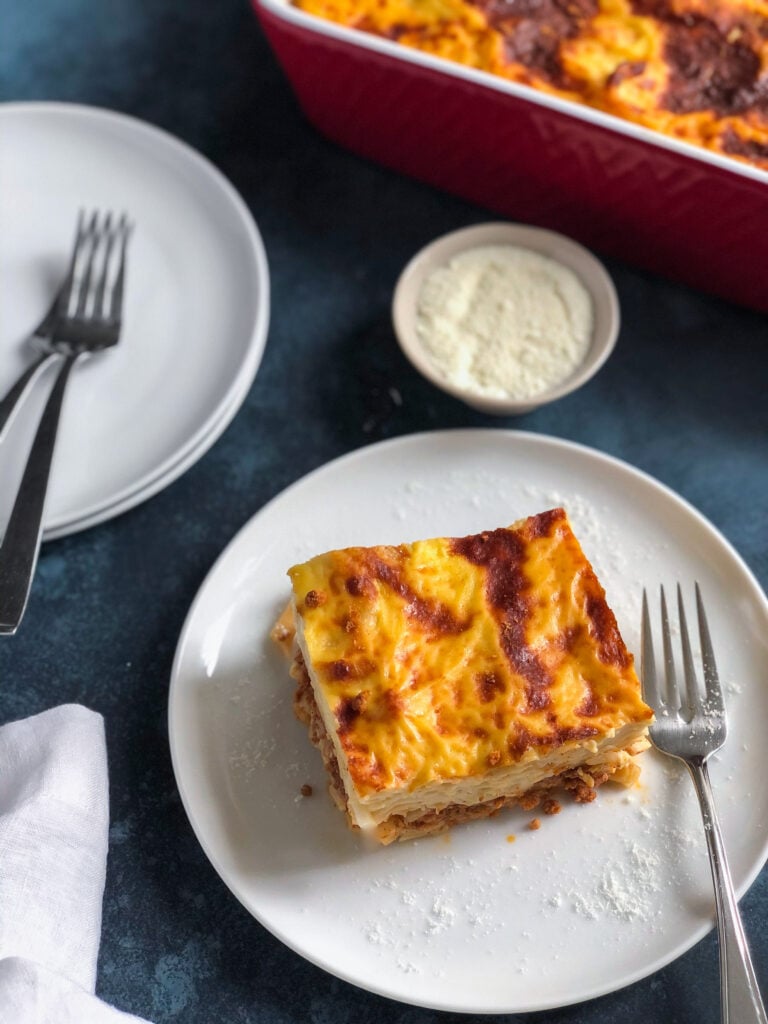
Let it rest for 20–30 minutes. This gives the layers time to set and makes it much easier to cut those beautiful, neat squares of pastitsio.
Pin this recipe if you like it!
Substitutions and variations
Pastitsio is a traditional recipe, and we recommend making it as written for the most authentic result. That said, there are a few substitutions you can make if certain Greek ingredients are difficult to find.
Pastitsio pasta: We use Misko Pastitsio No. 2, the long, hollow pasta traditionally used for this dish. If you can’t find it, another long tubular pasta is your best substitute. Bucatini can also work, although the finished layers will look slightly different.
Mizithra cheese: Aged mizithra gives pastitsio its distinctive salty flavour. If you can’t find it, grated Parmesan or Romano is a good substitute.
Milk: We use 2% lactose-free milk in our béchamel because that’s what our family prefers, but regular milk works equally well.
Ground meat: Our family makes the meat sauce with a combination of ground veal and pork. You can use another ground meat if you prefer, although the flavour will be different from our traditional family recipe.
Looking for a meat-free version? Rather than trying to adapt this recipe, try our vegan pastitsio, which was developed specifically to give you all the wonderful layers and flavours of pastitsio without the meat or dairy.
Frequently asked questions
What is pastitsio?
Pastitsio is a traditional Greek baked pasta dish made with layers of pasta, a rich meat sauce and creamy béchamel. It is baked until golden and set, then cut into generous pieces for serving. Pastitsio is a classic comfort food in Greek homes and is especially popular for family gatherings and special occasions.
Is pastitsio the same as Greek lasagna?
Pastitsio is sometimes described as Greek lasagna because both dishes are made with layers of pasta, meat sauce and a creamy topping. They are quite different, however. Traditional pastitsio is made with long tubular pasta and a Greek-style meat sauce, often seasoned with warm spices such as cinnamon. It is topped with a thick layer of béchamel rather than layers of pasta sheets and cheese.
What is the difference between pastitsio and moussaka?
Pastitsio and moussaka both have a seasoned meat sauce and creamy béchamel topping, but the layers underneath are different. Pastitsio is made with pasta, while moussaka is traditionally layered with vegetables such as eggplant and often potatoes. Both are classic Greek dishes and wonderful choices when you are feeding a crowd.
Can you make pastitsio ahead of time?
Yes. Pastitsio is a great make-ahead meal. You can assemble it in advance, refrigerate it and bake it when you are ready to serve. Leftover pastitsio also reheats very well, making it a convenient dish to prepare for family gatherings or entertaining.
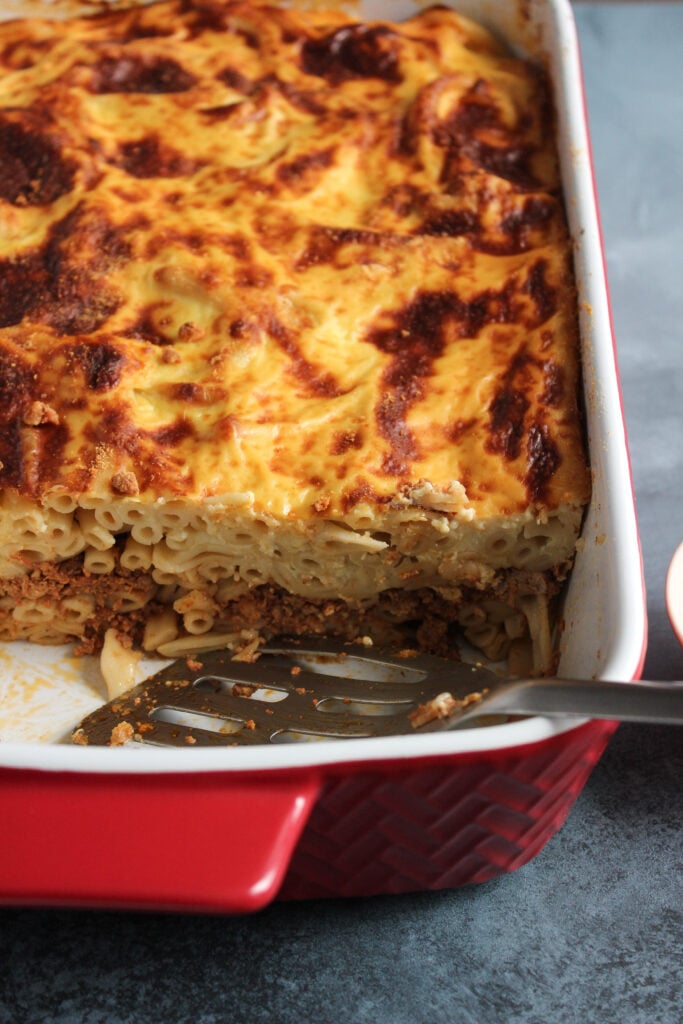
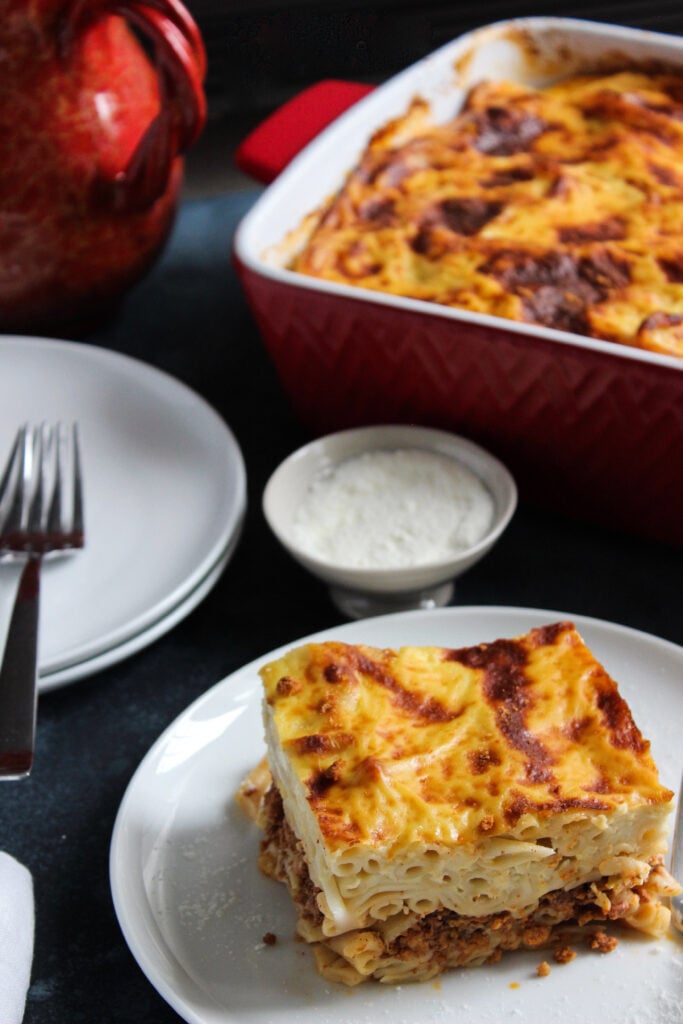
Choose the recipe that fits your pan: The first recipe card below is for a standard 9 × 13-inch baking pan. The second is our family’s original recipe for a very large 11 × 16-inch pan with a 4-inch depth.
Related recipes
Looking for more classic dishes like pastitsio? Explore our collection of traditional Greek recipes, filled with family favourites and authentic recipes passed down through generations.
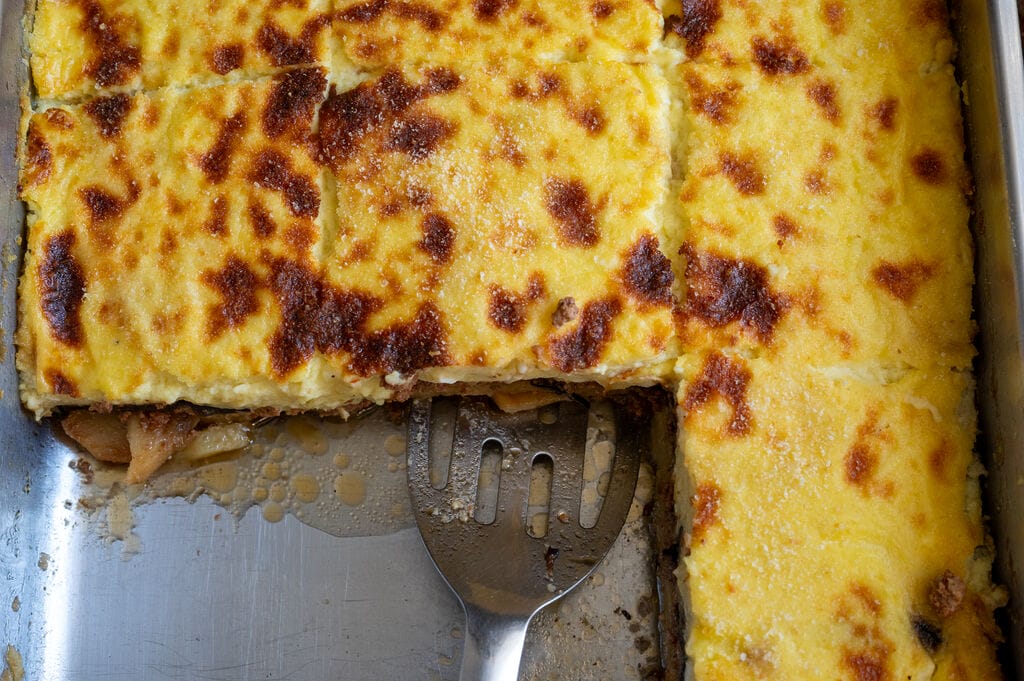
Authentic Greek Moussaka Recipe
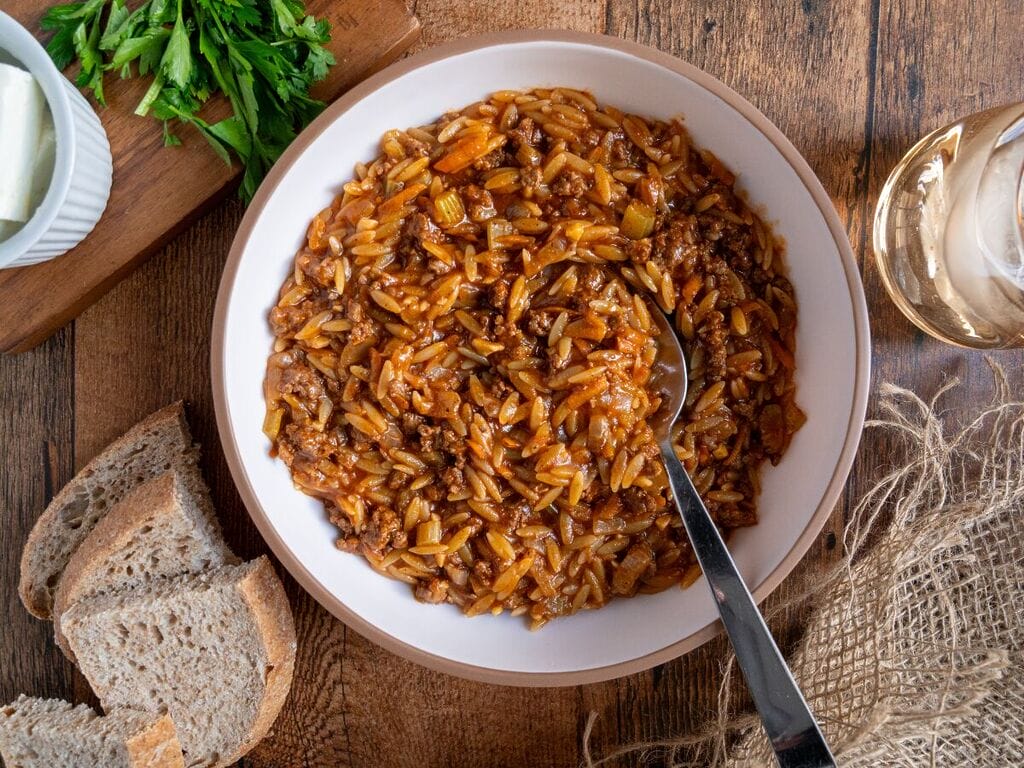
Greek orzo with ground beef, Youvetsi me kima stin katsarola
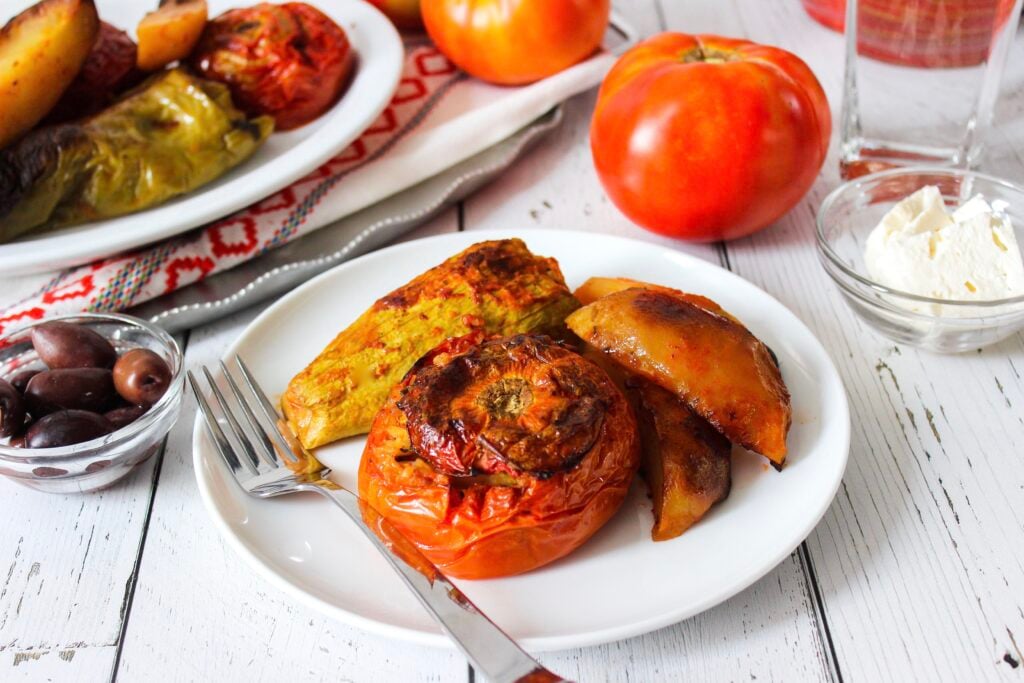
Yemista or Gemista
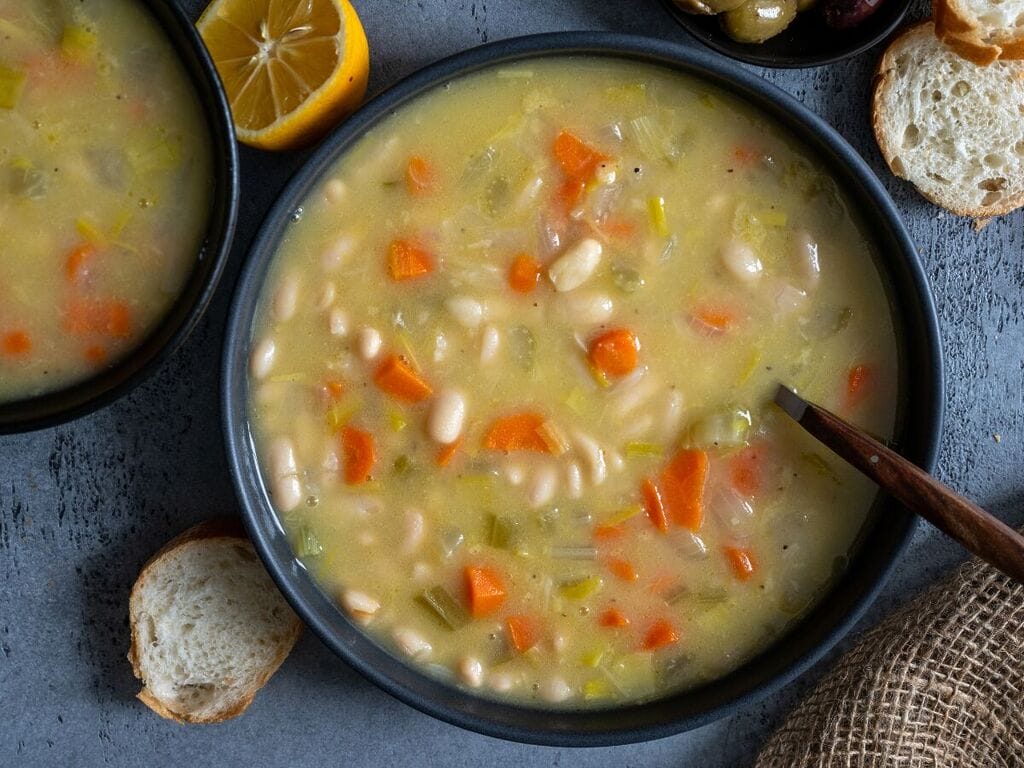
Fasolatha, Greek white bean soup (Φασολάδα)
Recipe
Pastitsio
Equipment
- 9 X 13 inch pan (3 Quarts)
Ingredients
Meat sauce
- 1/2 medium onion, chopped
- 2 tablespoons olive oil (30 ml)
- 650 grams ground meat (mixture of veal and pork) approximately 3 cups or 1 1/2 pounds
- 3 1/2 cups homemade tomato sauce, or store bought tomato sauce ( 875 ml)
- 1 teaspoon salt
- 1/2 teaspoon pepper
- 1/2 teaspoon heaping cinnamon
- 1/4 cup boiling water ( 60 ml)
Pasta
- 500 grams Greek pasta, we use Misko Pastitsio No.2 ( about 1 1/4 lbs)
- 1/2 tablespoon olive oil
- 1/2 teaspoon salt
Bechamel
- 1/4 cup Greek olive oil (60 ml)
- 1/4 cup plus 1 1/2 teaspoons all-purpose flour (42 grams)
- 1 liter milk
- 4 eggs beaten
Assembly
- 1 1/2 tablespoons Greek olive oil
- 1/4 teaspoon ground nutmeg
- 1/4 cup + 3 tablespoons Greek mizithra cheese ( 45 grams)
- 1 teaspoon Greek mizithra cheese to sprinkle on top of bechamel
Instructions
For the meat sauce and pasta
- Finely chop 1/2 medium onion and cook in 2 tablespoons of olive oil until softened.
- Add the meat, tomato sauce, salt, pepper, cinnamon and 1/4 cup boiling water to the pot. Cook for 45 minutes over medium heat, uncovered.
- Meanwhile, boil a large pot of water. Add 1/2 tablespoon olive oil and 1/2 teaspoon salt to the water. When the water has come to a boil, add the pasta. Cook as per package directions. Despite the fact that this pasta will go into the oven when the pastitsio is baking, cook the noodles until they are edible; do not under cook the pasta.
- Once pasta is cooked, drain and set aside.
For the Bechamel
- Heat olive oil in a heavy saucepan over high heat.
- Add flour and mix continuously so that flour does not burn and cook for approximately 2 to 3 minutes. You don’t want your flour to brown.
- Slowly add 1 liter of milk and then slowly stream in 4 beaten eggs. You must stir this mixture constantly with a wooden spoon or whisk.
- Cook béchamel sauce for about 10 minutes on medium-low heat, while stirring constantly, until it has thickened but is still easily poured. You can tell if your sauce is ready if it coats a wooden spoon and you can draw a line across it with your finger.
To assemble
- Preheat oven to 400 degrees Farenheit. You will bake on center rack.
- Take a 9 X 13 inch baking pan and grease it with 1 1/2 tablespoons of olive oil.
- Sprinkle about 1/2 tablespoon of mizithra on bottom of pan
- Layer half the pasta on the bottom of the pan. Toss with 2 1/2 tablespoons of mizithra until evenly coated.
- Using a slotted spoon, spread the meat mixture over the pasta. The slotted spoon is important as your meat sauce might have a fair amount of liquid and you want to drain most of this off. You can use as much of the meat as you would like but be sure that there is a fine layer of meat covering all of the pasta, as shown above.
- Sprinkle about 1/4 teaspoon nutmeg on top of the meat.
- Spread the rest of the pasta on top of the meat mixture and then top this layer of pasta with 1/4 cup grated mizithra cheese.
- Pour the prepared béchamel sauce over the pasta. Use the back of a spoon to spread it evenly, ensuring that all of the noodles are covered with sauce.
- Then, take a fork and insert it in several areas over the pastitsio and wiggle it around. This will help the béchamel seep in between the top layer of the noodles.
- Sprinkle the 1 teaspoon of mizithra on top of the béchamel.
- Bake pastitsio on the center rack of oven, uncovered, for approximately 50 minutes. Keep an eye on your pastitsio. You may want to turn your pan halfway through the cooking process if it is browning unevenly. You may also want to set your oven to broil for the last minute of baking in order to brown it more significantly on top
- Let sit for 20-30 minutes before cutting and serving.
- Enjoy!
Notes
Pastitio (large pan)
Equipment
- 12 X 16 pan (3 inch depth)
- Sauce pots
Ingredients
Meat sauce
- 1 medium yellow onion
- 1/4 cup olive oil
- 3 lbs ground meat (we use a combo of veal and pork)
- 7 cups tomato sauce
- 1 ½ teaspoons salt
- 1 teaspoon pepper
- 1½ teaspoon ground cinnamon
- 1/2 cup boiling water
For the Pasta:
- 900 grams Greek pasta Misko brand, pastitsio no.2 see notes
- 1 tbsp olive oil
- 1 teaspoon salt
For the béchamel:
- 1/2 cup plus 1 tablespoon all purpose flour
- 1/2 cup olive oil
- 2 liters milk 2% or 3.25%
- 7 eggs, beaten
Assembly:
- 3 tbsp olive oil
- 1/4 teaspoon ground nutmeg
- 1/2 cup plus 6 tablespoons mizithra cheese see notes
- 2 teaspoons mizithra to sprinkle on top of bechamel.
Instructions
For the meat sauce and pasta
- Finely chop one medium onion and cook in 1/4 cup olive oil until softened
- Add the meat, tomato sauce, salt, pepper, cinnamon and 1/2 cup boiling water to the pot. Cook for 45 minutes over medium heat, uncovered.
- Meanwhile, boil a large pot of water. Add 1 tablespoon olive oil and 1 teaspoon salt to the water. When the water has come to a boil, add the pasta. Cook as per package directions. Despite the fact that this pasta will go into the oven when the pastitsio is baking, cook the noodles until they are edible.
- Once pasta is cooked, drain and set aside.
For the Béchamel
- Heat olive oil in a heavy saucepan over high heat.
- Add flour and mix continuously so that flour does not burn and cook for approximately 2 to 3 minutes. You don’t want your flour to brown.
- Slowly add 2 liters of milk and then slowly stream in 7 beaten eggs. You must stir this mixture constantly with a wooden spoon or whisk.
- Cook bechamel sauce for about 10 minutes on medium-low heat, while stirring constantly, until it has thickened but is still easily poured. You can can tell your sauce is ready if it coats a wooden spoon and you can draw a line across it with your finger.
- Preheat oven to 400 ℉
To assemble
- Take a 11 x 16 inch baking pan and grease it with 3 tablespoons of olive oil.
- Sprinkle about 1 tablespoon of mizithra on bottom of pan.
- Layer half the pasta on the bottom of the roasting pan. Toss with 5 tablespoons of mizithra until evenly coated
- Using a slotted spoon, spread the meat mixture over the pasta. The slotted spoon is important as your meat sauce will have a fair amount of liquid and you want to drain most of this off.
- Sprinkle about 1/4 teaspoon nutmeg on top of the meat
- Spread the rest of the pasta on top of the meat mixture and then top this layer of pasta with 1/2 cup of grated mizithra.
- Pour the prepared bechamel sauce over the pasta. Use the back of a spoon to spread it evenly, ensuring that all of the noodles are covered with sauce.
- Then, take a fork and insert it in several areas over the pastitsio and wiggle it around. This will help the bechamel seep in between the top layer of the noodles.
- Sprinkle the 2 teaspoons of mizithra on top of the bechamel.
- Bake pastitsio on the mid rack of your oven, uncovered for approximately 50 minutes. Keep an eye on it. You may want to turn your pan halfway through the cooking process if it is browning unevenly. You may also want to set your oven to broil for the last minute of baking in order to brown it more significantly on top, if desired.
- Allow your pastitsio to cool for 20-30 minutes before serving.
- Enjoy!
Bravo! Nice to stumble across a Greek food blog. 🙂
Cheers,
Krystina Kalapothakos
Thank you so much! We love your blog too! Opa! to Greek cooking sites 😃😃
Thank you!!!! 🙂
Lets do a collaborate soon too.
Hi there, omg I love your site.
I made the melomakarina recipe last week so delicious had every one asking for the recipe.😀
I am going to attempt to try your Pastichio recipe. I have noticed you don’t add butter in the bechamel sauce. Is this correct? Most bechamel sauces I have googled add butter.
Can you let me know asap as I’m excited to make it.
Have a wonderful day!
Cheers
Kathy
Hi Kathy!! Thanks so much for letting us know that our melomakarona recipe was a hit! We’re so happy to hear that 🙂 As for the pastichio, you are right…there is no butter to be found in the recipe! You may notice that many of our recipes, particularly those that come from our parents, do not have butter. Our parents use olive oil in almost all their recipes, and this includes in their bechamel. We love the way it turns out – light but still creamy and thick. You’ll also notice that our pastichio post actually includes two versions of the recipe; one for a “regular” sized pan, and another for a much larger pan. Scroll through the post to use the one that is best for you. Hope you enjoy the pastichio and we would love to hear back from you!
Thank you for your reply.
Will definitely make it and let you know how it turns out 😀
cant wait to try. will let you know. am already planning
That sounds wonderful! Good luck, and yes, please us know
Hiya, This trick makes a difference •
Then, take a fork and vertically insert it in several areas over the pastitsio and wiggle it around. This will help the béchamel seep in between the top layer of the noodles.
…………………………………………………………………………………………………………………………….
I made the recipe using a meat replacement since I did not have meat: finely ground tofu, almonds and mushrooms : browned and it was delicious. Next time will make with meat. Best bechamel recipe I ever made – easier than I had thought to make. Lovely recipe. Next time will make over 2 days. Thxs for sharing.
Glad to hear it Marina! Great way to use what you have handy… I am sure it was delicious… Stay tuned… within the next couple of months, we will try and post a Vegetarian version of Pastitio… 🙂
it’s too much work to make extra sauce i won’t use. can you please give measurements for amounts needed for just this recipe?
Hi there! Thanks for your interest in Mia Kouppa. Totally understand about the extra sauce; in fact, we were concerned that readers might find it an extra unnecessary expense for this meal, but didn’t really consider the extra work. We’ll take a look at the recipe and see if we can figure out if simply halving it would be sufficient. Thanks 🙂
Hello! My mom was Greek & made pastitsio regularly. I learned to make it as a teen & It was a hit always until many years later when our shrimp & roast beef-loving daughter became a vegetarian. Not skipping a beat, I substituted Morningstar Farms Crumbles for ground beef & carried on. It was-and is fantastic! I highly recommend it for all vegetarians yearning for the comfort & flavor of Greek cooking!
Hi Julie! Thanks for your comment. It is great to have options for the vegetarians and vegans in our lives. We also keep to lenten (essentially vegan) meals during periods of fasting. We have posted a vegan pastichio recipe as well. You may enjoy checking it out! https://miakouppabbbwpc.wpcomstaging.com/vegan-pastichio-%CE%BD%CE%B7%CF%83%CF%84%CE%AF%CF%83%CE%B9%CE%BC%CE%BF-%CF%80%CE%B1%CF%83%CF%84%CE%AF%CF%84%CF%83%CE%B9%CE%BF/
Hi the recipe says I need 900g pastitsio no2 pasta. Is that measures uncooked or cooked? I have the Misko #2 pasta and each package is 500 grams. Thanks!
Hi Helen! Sorry for the delay. We’ve been at the Saveur Blog Conference and were kept a little busy. The weight of the pasta is uncooked, so if would be a pack and a half (approximately) for you.
Hi I love this recipe. You make a dish that is often “ intimidating “ to those that have never made, look easy.
Excellent work!!
I am saving your recipe.
Thank you.
Hi Eleni! Thank you so much for your message, and we’re so happy that you are saving our recipe. We try hard to demystify some of the more “complicated” recipes, so that they are more palatable 🙂 We do hope you give it a try and would love to hear how you enjoy it!
I’m confused about the amount of milk in the bechamel sauce – the ingredients list 2 litres but the instructions say to add 1 litre??
Hi Effy! I think we responded to you on Instagram (or Facebook)…but in case we didn’t this particular post has 2 recipes within it; one for a larger pan, and one for a smaller pan.
I LOVE YOUR SITE!
My parents live in Florida and I don’t get mom’s Greek cooking often enough. I have been craving pastitsio and will be making this recipe to try and WOW my Greek friends 🙂 Can I bake it the day before I want to serve it and reheat it before my dinner guest arrive? Again, thanks for all the great receipes! Yassou!
Thank you so much Catherine!! We are so happy that you have found us, and are enjoying our recipes. You can absolutely make the pastitsio ahead of time, keep it in the refrigerator, and reheat it in the oven on the day that you will serve it. We hope that you and your guests love it as much as we do! xoxo
This recipe looks delicious! I’d like to make it and am wondering how much of the meat sauce is typically used in the dish vs leftover? For example could I get by with about 1 lb/~500 g ground meat and 2.5 cups tomato sauce? Thanks!
Hi Kelly! Our post on pastitsio actually include 2 different recipes; one for a very large pan and one for a more “normal” family sized pan. If you opt for the smaller recipe, you really do need to use all of the meat sauce indicated. With the larger pan you could have about a cup or so of meat sauce left over – or not. Some people like to have their pastitsio with more meat sauce. Hope that helps.
Is there a specific passata recipe you recommend for this? This was my husband’s favorite food my yiayia made so I am making my first attempt at it and want to get it as close to perfect as possible. Thank you!
Hi Evanthia, no, we don’t use a particular brand of passata sauce; you may use whatever you like. However, we do like to use Hunt’s tomato sauce in this recipe, if we don’t have any of our homemade sauce available. Hope this helps, and hope you love it 🙂
Would kefalotiri cheese work in place of mizithra? How do the two cheeses differ?
It would definitely work. Mizithra is a whey cheese made from the milk of sheep, ewe or goat. There are actually 3 types of mizithra which are produced; a fresh and soft form, a sour form, and the one we use here with is the most aged and hard variation of mizithra (it’s often referred to as Anthotyros). It is salty and crumbly, making it great for grating. Kefalotyri is a yellow sharp flavoured cheese which is somewhat salty and made from sheep’s milk. Kefalotyri is also very easy to grate. Hope that is helpful! xox Helen & Billie
We moved to the gulf coast in 2017, alot of our belongings are still in storage. We went and looked for my cookbooks and recipe box that I had all the recipes I’ve made through out the years, one in particular was mom’s pastitsio recipe. yours is very close to hers if I’m not mistaken, I want to make this for Thanksgiving, I will be using 2#s of ground beef & 1# of venison. As far as the cheese goes, I would like to use a combination of Parmesan and Feta, How would that work??
Hi Niki!! Thank you for reaching out, and how wonderful to make pastitsio for Thanksgiving! So thrilled to be invited to your table 🙂 We think that the combination of parmesan and feta would work just fine. You can also use a combination of parmesan and grated romano cheese to substitute for the mizithra (that is what we would recommend as it is more in line with the taste / texture of grated mizithra). Let us know how it works out!! xoxo Helen & Billie
Made a half recipe of this last night. My Greek neighbor gave me a portion for this weekend’s easter celebrations and I remembered how I had liked your version. Again, two great tips: poke holes to allow the bechamel to go down and don’t undercook the pasta.. Thank you.
So happy to hear that Marina!! Thank you for letting us know you love our pastitsio, and appreciate the helpful hints! xoxo Helen & Billie
Hi there. Just making the pastitsio now. Did I need to brown the meat before adding it to the tomato sauce?
Nope! No need to brown the meat. Enjoy!
HI there! Sorry for the delayed response. No, you don’t need to brown the meat before adding it to the tomato sauce! xoxo Helen & Billie
Hello – I love your site and love that you are Canadian. I made your pastitsio recipe a few days ago and it turned out great but I have a few questions / comments. I am a reasonably competent cook and have made lasagna many times. I found that the béchamel was the hardest part. It did not thicken for me until I turned up the heat under the pot, at which point it started to thicken nicely. However, at one point (it probably got too hot) the consistency of the sauce changed to a more granular “eggy” consistency. also, Even though I sprinkled a lot of cheese on top, I found the sauce to be rather bland. I think it would have benefitted from the addition of some cheese as well as salt, pepper and nutmeg. Any comments or suggestions to help me improve the béchamel would be appreciated.
Hi Sabina, Thanks so much for reaching out and apologies in the delay in getting back to you. Thanks for your kind words! The temperature of the bechamel is really important – it sounds like you started off not hot enough, and then too hot. As for the flavour, it is quite a mild bechamel. If you prefer a more pronounced flavour, feel free to add nutmeg, additional cheese, or anything else you would like. Enjoy! xoxo Helen & Billie
I’ve perfected this over two tries, and my Greek friends compared my results (and other things I have made from this website) to their mothers/godmothers/grandmothers cooking, all of the above being unilingual Greeks! For me, this is the highest flattery, and I’ll be making it again this weekend for some guests (from Africa!). I have a historian’s love of all Hellenic culture, and I enjoy sharing in these traditions and then sharing them with others.
I continue to be a super-fan of this website, and I have experimented with something new from it almost every week since I first heard of it last November (I had written you an email). I can’t tell you how wonderful life has been in my kitchen since then.
Efcharisto, Billie and Helen!
Dear Sacha! Your message has honestly made our night! We are so thrilled (humbled, honoured) by your kind words and support. We work hard to only post recipes when we feel they are as perfect as we can make them, and we appreciate you taking the time to let us know that your efforts pay off! Thanks for inviting us into your kitchen, for sharing recipes with your friends, and for being part of our Mia Kouppa community! It means everything! xoxo Helen & Billie
Hi! How much is 650grams in lbs? Thanks
Hi there Cindy. It is about 1 1/2 pounds. Enjoy! xoxo Helen & Billie
How deep should the pan be?
Thanks very much, love your recipes!
Hi Mary! So glad you are loving our recipes! The pan for the pastitsio should be 3 inches deep. Thanks for asking the question – we will be sure to update the post! xoxo Helen & Billie
I only seen one recipe so I would assume that we just cut the recipe in half for a 9 x 13 pan.
Thank you
Janet L Howard
Hi Janet! Thanks for reaching out! You should be able to see both recipes (for both size pans) by scrolling through the entire post. Let us know if you still can’t find it 🙂 xoxo Helen & Billie
Hi Mia,
I’m making this recipe for the first time tomorrow and I was wondering if I can make the meat tonight ahead of time and store in the fridge to cut down the cooking time for tomorrow.
Also, do I have to absolutely include eggs in the bechamel sauce or it there an option where I can keep it out?
Thanks so much 🙂
Hi Sara, Hope this message is not too late getting to you! But yes, you can definitely make the meat ahead of time! In terms of the eggs, this particular bechamel really does need the eggs, however if you are interested in an egg-free bechamel sauce you can look up our vegan pastitsio or our vegan moussaka, and use the bechamel sauce we have in those recipes. We use no eggs and dairy free milk in those recipes. Enjoy! xoxo Helen & Billie
Hi! Your recipes are always the best. I recently made your melomakarona which were delicious! I will try your pastitsio recipe this weekend but I only see one recipe. Are there still two recipes available for the two different size pans?
Hi Mary! Thank you so much – we are thrilled that you love our recipes 😉 It seems that there is only one recipe box for the pastitsio (the more normal size version in a 9 x 13 inch pan :)). Something must have happened when we migrated to our new site format – we will look into that! Hopefully the recipe which is currently available is okay for you. Enjoy! xoxo Helen & Billie
So yummy. It was a great balance of pasta, meat sauce, and bechamel. I am very happy with this recipe. Next time, I think I will add some garlic to the meat sauce, increase the amount of bechamel, use a combo of olive oil and butter, and add nutmeg to the bechamel. These modifications are purely to suit my personal preferences rather than improving the recipe in general.
Hi there! We are so happy to know that you tried our recipe, and that you enjoyed it! Thank you for letting us know, and we hope that you continue to find much to love here with us! xoxo Helen & Billie
I’ve used this recipe for a while now and love it so much. The recipe for the 11×16 pan disappeared though. Can you re-add the instructions for the 11×16 pan? Thanks for the great recipe!
Hi there! We are so happy to know that you have tried, and that you love this recipe!! Sorry that the 11×16 inch pan recipe disappeared! We will work on updating the post shortly. Thanks for letting us know, xoxo Helen & Billie
Definitely want to make this for Pascha this weekend but need the larger pan ingredients (and amounts). Please post or add to comments! Kalo Pascha!
Hi Mindy! Not sure what happened to our larger recipe! We will update the post this evening, and it should be there for you! Thanks and Kali Anastasi xoxo Helen & Billie
Excellent easy to follow recipe !!!
Yay! So glad to hear that you loved the recipe Anna! Thanks so much for letting us know xoxo Helen & Billie
Wondering if your Pastichio recipe can be made in advance ?
Hi Alexandra! You definitely can and just reheat the day you are serving it. You can also make the various component ahead of time and then make the béchamel the day you are serving and bake the pastitsio. Enjoy! xoxo Helen & Billie
All of the ingredients were right on. Lamb would never be not used if I wasn’t sharing this. This recipe looks perfect.
Thank you so much! Enjoy! xoxo Helen & Billie
I make 11/2 litres of milk so it’s more creamy on the top layer
Great! Glad you enjoyed it! xoxo Helen & Billie
Can I use lactose free milk on the bigger pasticio recipe as well ?
I normally use 3.25 milk but I have a family member who is lactose intolerant.
And to make it more creamy use just 1.5 litre of lactose free milk ..
Thanks so much! Love your recipes
Hi there Iris! Yes, absolutely you can use the lactose free milk in both versions of the recipe – we will make sure to clarify that! Honestly, the bechamel is pretty creamy as it is so we don’t think you have to adjust the quantity of milk, but you can certainly try it and see how it turns out. Good luck and we hope everyone loves the pastitsio! Thanks as well for your support and kind words! xoxo Helen & Billie